Michigan's two major-party attorney general candidates disagreed Sunday, Sept. 27, over who should control the fate of the Line 5 pipeline beneath the Straits of Mackinac.
Democrat Eli Savit, the Washtenaw County prosecutor, and Republican Doug Lloyd, the Eaton County prosecutor, squared off in their first televised debate hosted by WDIV Local 4, EUP News reported. The pipeline carries up to 540,000 barrels of crude oil and natural gas liquids daily through the Great Lakes, and it dominated the exchange.
Savit called a December 2025 federal court ruling that shifted regulatory authority over Line 5 from the state to the federal government "disastrous." U.S. District Judge Robert Jonker ruled that the federal Pipeline Safety Act preempts state regulation of the interstate pipeline, writing that Michigan "lacks the power to interfere" with Line 5 operations. The state appealed in January.
Savit argued the ruling's reach is so broad it could block Michigan from regulating any pipeline, even one near a school. He pledged to fight to overturn it.
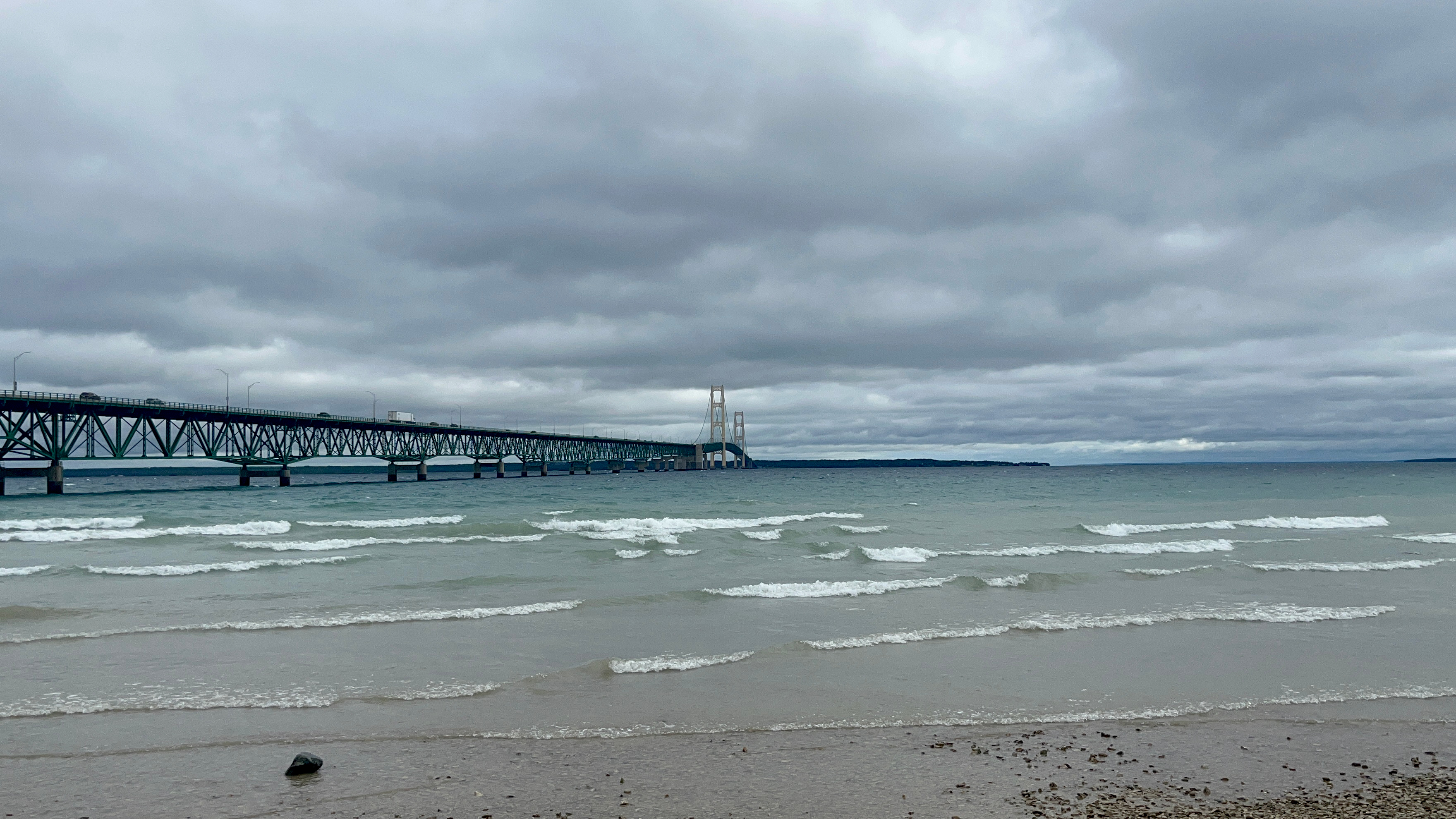
Lloyd took the opposite stance. He said he would not continue litigation against the pipeline, calling the legal fight "political activism." He warned that shutting Line 5 could force oil onto trucks crossing the Mackinac Bridge, creating a greater spill risk.
"The people in the Upper Peninsula need to know that they're going to be able to heat their homes," Lloyd said. "They worry about this every day."
The stakes are direct for UP residents.
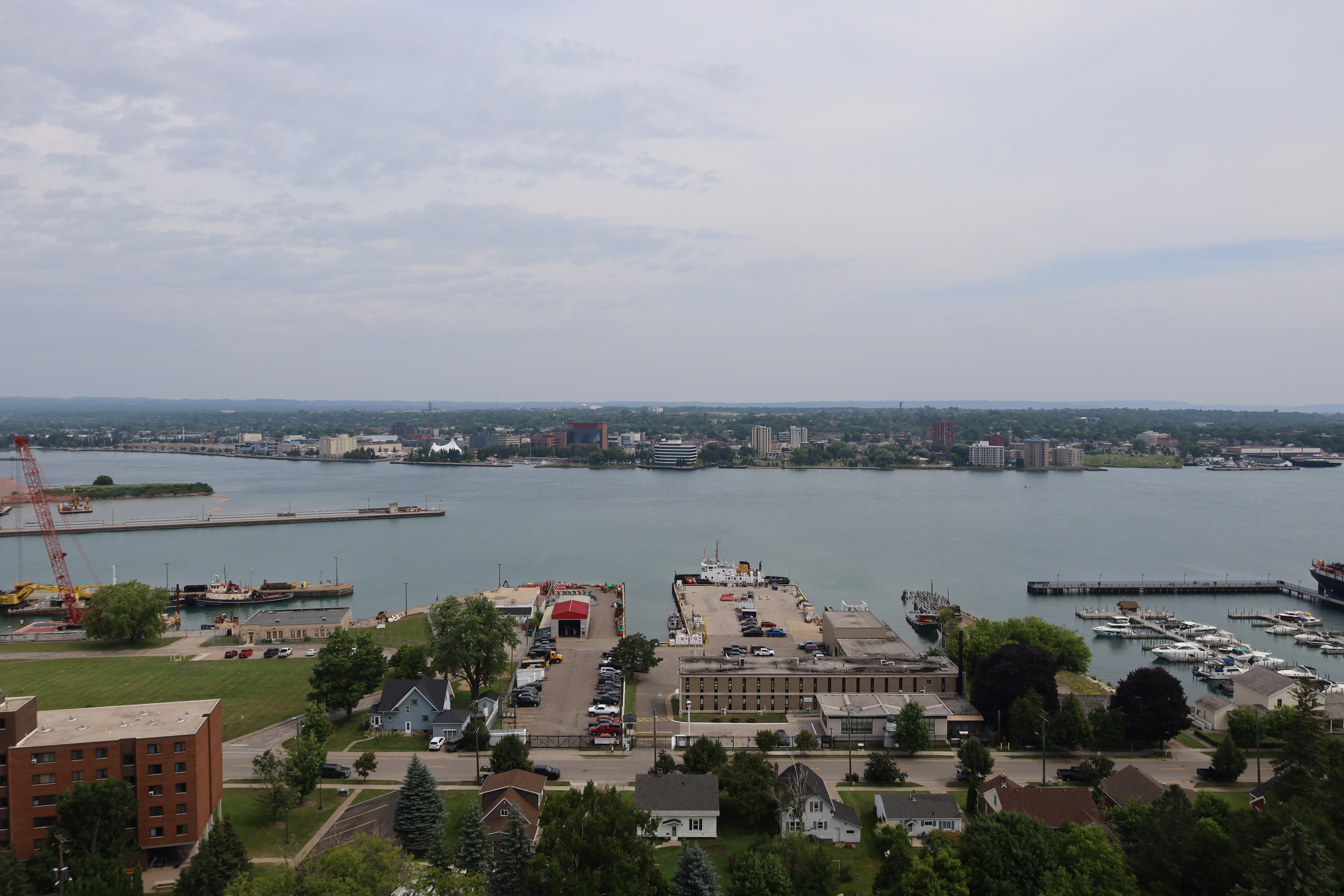
Line 5 supplies propane and natural gas liquids that heat homes across the peninsula. The 645-mile pipeline runs from Superior, Wisconsin, to Sarnia, Ontario, passing through Dickinson and Iron counties. About four miles sit exposed on the lakebed beneath Lake Michigan near the Mackinac Bridge.
The debate came amid a summer of legal upheaval. The Michigan Supreme Court on July 31 vacated the Michigan Public Service Commission's 2023 tunnel permit approval in a 6-1 ruling, finding the commission failed to consider environmental impacts, according to UpNow.
The U.S. Army Corps of Engineers then issued a federal construction permit for the tunnel on Aug. 12, though other legal hurdles remain, EUP News reported. On Sept. 9, Gov. Gretchen Whitmer and Michigan Department of Environment, Great Lakes, and Energy (EGLE) Director Phil Roos announced the state must review EGLE permits issued in July in light of the Supreme Court ruling, according to the Sault Ste. Marie Evening News.
The next day, four tribal nations, including the Sault Ste. Marie Tribe of Chippewa Indians, petitioned state regulators to challenge those permits.
Beyond Line 5, the candidates found common ground on opposing utility rate hikes and creating regulations for artificial intelligence. Lloyd credited outgoing Attorney General Dana Nessel's work on AI policy aimed at protecting children. Savit pledged to issue Consumer Protection Act rules targeting deceptive AI marketing within his first 100 days.
The candidates also traded attacks on each other's prosecutorial records. Republicans have targeted Savit's policies on cash bail and sex-work prosecution. Savit responded that crime in Washtenaw County has dropped under his tenure. Lloyd faced questions about cases where charges were reduced to avoid jail time, including the case of former Delta Township Supervisor Ken Fletcher, who received two years of probation in connection with an online child sex sting.
The general election is Tuesday, Nov. 3. Five candidates are on the ballot: Savit, Lloyd, Libertarian Jason Dye, U.S. Taxpayers Party candidate John Ludtke Jr. and Green Party candidate Jeff Polonowski, according to Bridge Detroit's voter guide.