A replacement millage that funds speech therapists, school psychologists, adaptive technology and behavioral support for more than 1,000 special education students across three Upper Peninsula counties will go before voters on Tuesday, Nov. 3.
Copper Country ISD Superintendent Jim Rautiola announced Monday, Aug. 17, that the 20-year, 0.2903-mill proposal will appear on the general election ballot in Baraga, Houghton and Keweenaw counties. The measure replaces the current millage at the same rate levied in 2026.
Rautiola said the proposal maintains existing funding for specialized therapists, adaptive technology and behavioral support across the region's local school districts, according to the district's announcement. "If approved, this millage would ensure local schools can maintain tailored support to students who need it most across our three counties," he said.
If approved, the levy would run from 2027 through 2046 and raise an estimated $601,033 in its first year. That money supports services for students from birth to age 26 across the local districts served by the Hancock-based intermediate district.
What the funding covers
The millage pays for:
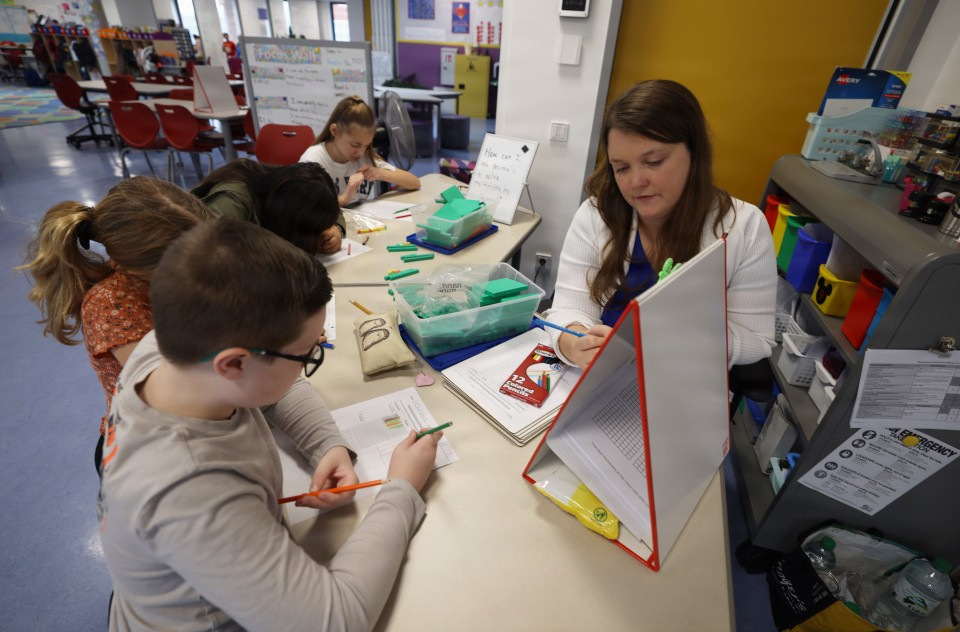
- Specialized therapies including speech, occupational and physical therapy delivered inside local school buildings and early childhood programs
- Dedicated staff such as classroom paraprofessionals, social workers and school psychologists
- Adaptive technology and mobility tools including assistive communication devices, sensory supports and specialized mobility equipment for non-verbal or physically impaired students
- Behavioral and high-impact programs including the Program for Students with Severe Disabilities, Community Transition Program, Classrooms for Students with Cognitive Impairments and Social Emotional Teaching Program
What happens if it fails
The stakes are concrete. A "no" vote would open a $601,033 annual hole in the Copper Country ISD's operating budget, according to the district. That deficit would likely force cuts to student services and shift costs onto local school boards, which would have to absorb high-cost specialized care into their general operating budgets.
Funding those services through the intermediate district protects local districts' general funds, the announcement states, keeping dollars available for general education programs at the building level.
The intermediate district serves more than 6,500 students total across 2,448 square miles.
What voters need to know
The proposal appears on the Tuesday, Nov. 3, general election ballot. Ballot language and program details are available at copperisd.org/specialeducation. Election results are expected the evening of Nov. 3.