The proposed Copperwood mine could support jobs at suppliers and other businesses across the Upper Peninsula, according to a developer-funded economic study. The estimates depend on project spending assumptions that Highland Copper is now updating.
The projection lands as Small Business Saturday approaches on Nov. 28, a reminder of how dependent U.P. shops and restaurants are on the workers and families who live nearby.
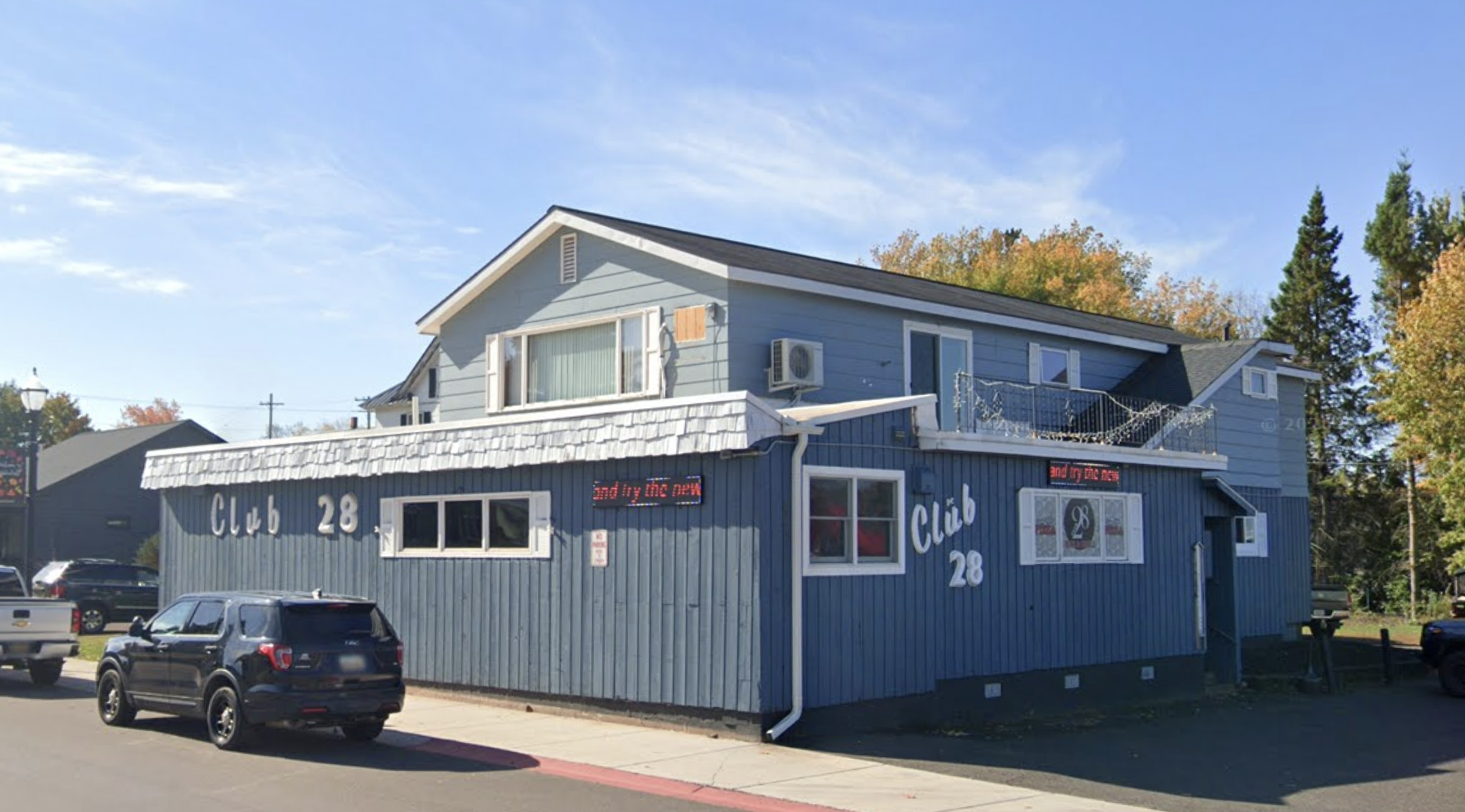
George Dellich, owner of Club 28 Restaurant in Wakefield, told WZMQ that when families leave the U.P. because they can't find good jobs, local businesses feel the impact. Those families take their everyday spending with them, he said, from grocery shopping to restaurants and other local businesses.
What the projections show
Highland Copper Company, the Toronto-based developer behind Copperwood, commissioned consulting firm Public Sector Consultants to model the mine's economic effects using the IMPLAN input-output tool. The September 2023 analysis projected that the three-year, $425 million construction phase would directly support 300 on-site construction jobs and another 114 jobs at Highland's vendor partners in the U.P.
Beyond those direct positions, indirect and induced spending by households and businesses was projected to support another 353 jobs statewide. About half were expected to be in the U.P.
Once operational, the mine would employ 380 workers with annual wages between roughly $80,000 and $120,000, according to a Michigan Strategic Fund summary. That is about double the regional median wage of $44,900. Annual operations spending was projected to support another 313 jobs across the state and increase spending to Michigan businesses by $130 million each year, the PSC analysis estimated.
Ryan Stern with the Michigan Building & Construction Trades Council said the impact could go well beyond the mine itself.
"One thing we've seen is when a large industrial organization comes into an area, the economics of the region flourish and more small businesses open," Stern told WZMQ.
Infrastructure spending
The Michigan Strategic Fund Board voted 7-2 on Aug. 25 to approve $50 million in state grants for the project. That included a $5 million grant to the Gogebic County Road Commission paired with a $7.5 million Michigan Department of Transportation grant to fix roads rated "poor" on a 1-10 scale.
Highland Copper said the state-funded infrastructure work covers roads, power, communications and broadband connectivity. InvestUP CEO Marty Fittante said the improvements would serve an industrial park and the forest products industry, not just the mine.
"Along with the mine jobs, increasing the population with young, talented individuals is a trickle-down effect that will have on local communities, including hotels, restaurants, stores, governments and the schools," Fittante told the Mining Journal.
Key conditions and uncertainties
The projections carry significant caveats. EUP News reported that Highland Copper said it would be revising project costs by the first half of 2027 and considering a smaller facility that would use less power and supplies. Whether hiring would remain at 380 jobs was unclear.
The state said it would reduce the grant award if the overall investment and job creation target declines, EUP News reported. Highland Copper must also show $150 million in additional financing by spring 2028 and create 380 jobs by March 31, 2033, to satisfy grant conditions.
An environmental group, Protect the Porkies, filed a legal challenge in Ingham County Circuit Court against the Aug. 25 funding decision, WBUP/WJMN reported.
The PSC analysis relied on budget and expenditure projections provided by Highland Copper. No public list of specific local vendors or suppliers has been identified in available records.
Construction is expected to begin in 2028, with commercial production anticipated in 2030.