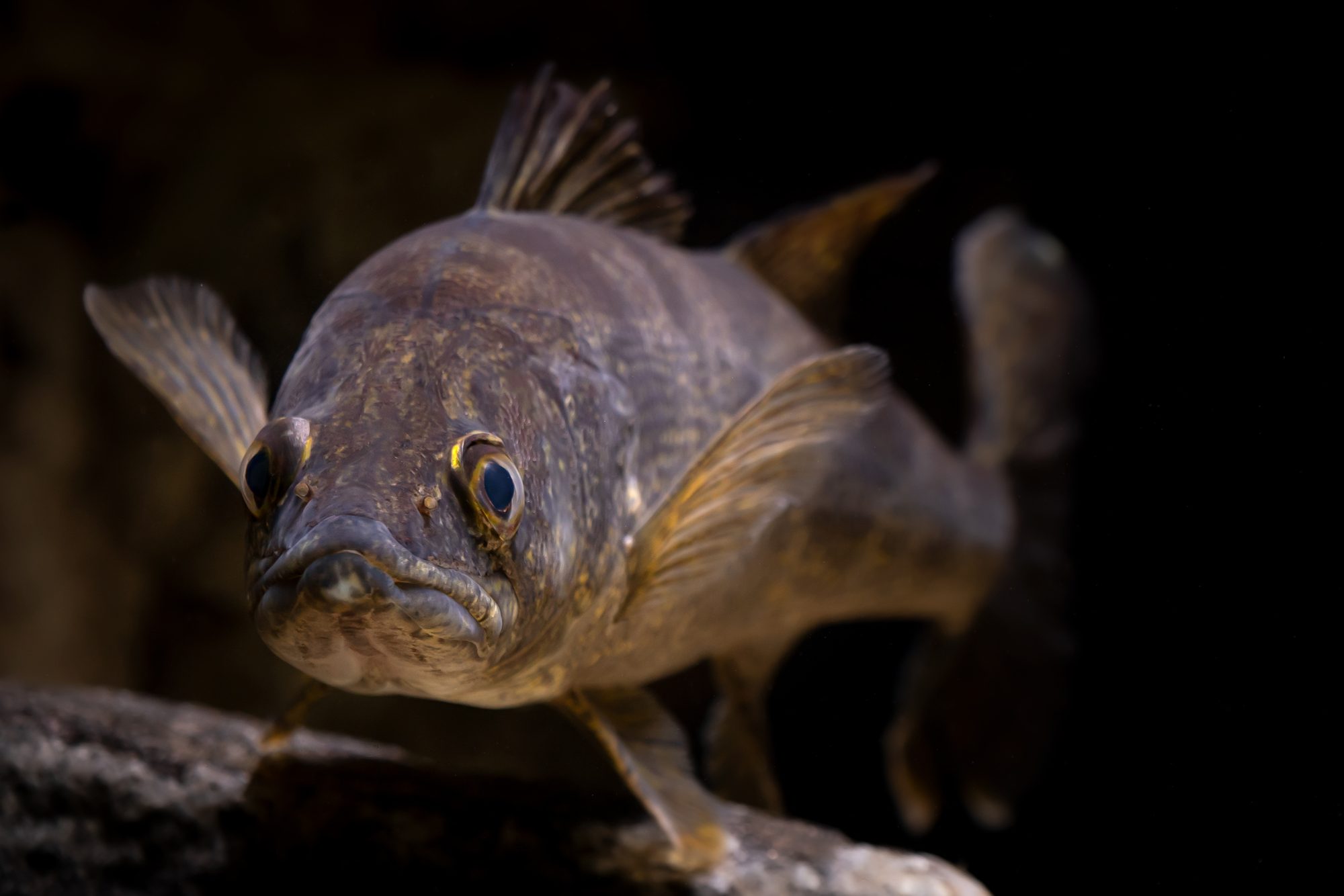
The Michigan Department of Natural Resources will stop stocking walleye in Hagerman Lake after genetic testing showed little contribution from recent hatchery stocking among sampled walleye, Bridge Michigan reported.
DNR senior fisheries management biologist Jen Johnson presented the findings Wednesday, Oct. 14, to the Michigan Natural Resources Commission during its meeting at Northern Michigan University in Marquette, Bridge reported.
The department has begun using a method called parentage-based tagging to evaluate whether stocked fish survive. Researchers collect DNA from the parent fish used to produce hatchery fish, then compare it to DNA from fish caught later in stocked waterways. A lab at Michigan State University runs the analysis.
Johnson told the commission to think of it like consumer ancestry tests. The big question, she said, is whether the fish in a lake are related to the ones the DNR put there.
Bridge reported that in the 2024-25 fiscal year, the DNR spent more than $11 million on fish stocking. Previous tracking methods relied on physical tags or internal markings, both of which the department said were costly or limited.
UP pilot produced sharp contrasts
Johnson's team collected walleye samples from lakes in Dickinson and Iron counties. The results varied by lake.
In Lake Emily, 24 of 25 fish caught were genetically related to stocked parents, Bridge reported. Stocking was working.
Hagerman Lake told a different story. Only a small share of sampled walleye matched the recent hatchery lineage. Lake Ottawa showed a similar pattern: two of 34 fish matched stocked parents, according to Bridge.
Johnson's further analysis found that most sampled Hagerman walleye did not match the lineage from Little Bay de Noc, the source of recent stocking parents. Instead, the findings pointed to Lake Gogebic, where stocking parents had been sourced in the 1980s.
The 1980s effort took hold. Recent stocking contributed little to the sampled population.
"Stocking's an expensive endeavor, and annoyingly, we're trying to do stocking attempts that were largely ineffective," Natural Resources Commission member Brandon Fewins said at the meeting, according to Bridge.
Statewide expansion planned
DNR fisheries chief Randy Claramunt said the genetic tool will "open up a lot of insights into what we do at the fish division," Bridge reported.
The DNR plans to collect 500 walleye samples from waterways across Michigan for genetic testing, according to Bridge. Johnson said the expanded program will help biologists make better stocking decisions.
The report did not specify whether stocking would also stop at Lake Ottawa. The DNR’s Oct. 15 account described testing other species as a possible future expansion.