Eight Upper Peninsula communities received a combined $634,301 in state Rural Development Fund grants for projects covering trail construction, water infrastructure and tourism facilities.
The Michigan Department of Labor and Economic Opportunity (LEO) and the Michigan Department of Agriculture and Rural Development (MDARD) announced the awards Wednesday, Sept. 9. The eight UP projects are part of a 19-recipient statewide round totaling more than $1.6 million, as MyUPNow reported.
The largest UP awards, $100,000 each, went to three recipients. Forsyth Forward in Gwinn will use its grant for a non-motorized trail network connecting communities across Forsyth Township. The Cogswell Foley Group LLC in Mass City will build a multi-season campground with RV hookups and restroom facilities. Watersmeet Township will install digital residential water meters to replace an unmetered system.
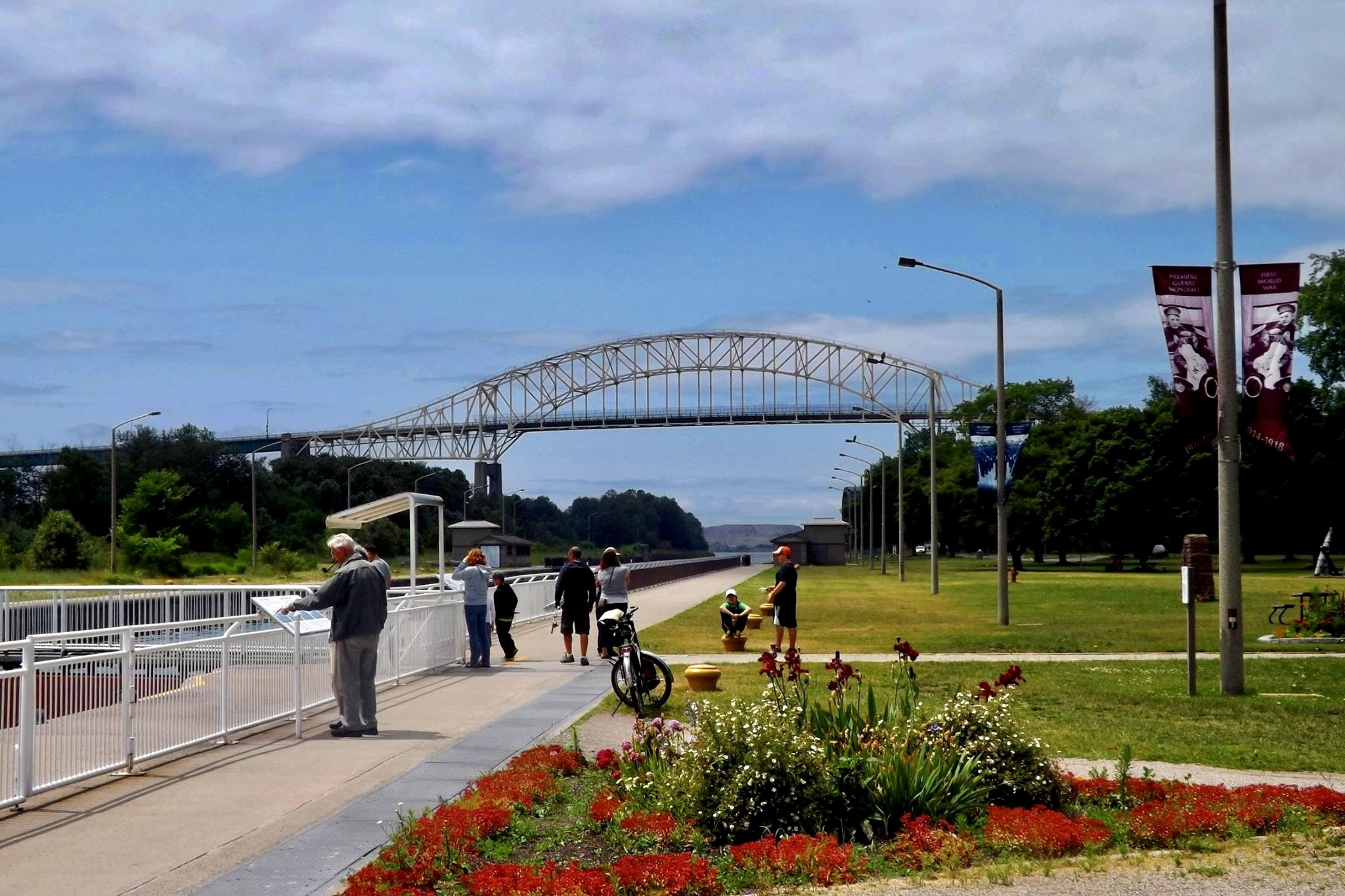
In Sault Ste. Marie, the Soo Locks Children's Museum received $92,830 to finish interior construction, including drywall, flooring and building systems needed to open the facility for year-round educational use. Black Pearl Estate LLC in Paradise received $97,413 to convert an underutilized building into a community and business hub for local producers.
Kinross Charter Township in Kincheloe received $56,000 to replace an unsafe fairgrounds grandstand and upgrade water and sewer lines in Chippewa County. Pickford Utility Authority received $48,058 to replace aging sewer equipment. The Negaunee Holdings LLC received $40,000 for HVAC and fire suppression upgrades to support a new cafe.
The grants are funded by tax revenue collected from Michigan mines. The Rural Development Fund Board, housed in LEO's Office of Rural Prosperity, recommends how that revenue is distributed.
This round marks the first joint recommendations since Gov. Gretchen Whitmer's Executive Order 2025-9 transferred the fund's oversight board from MDARD to LEO. LEO Director Susan Corbin said in a statement that the grants are strategic investments in infrastructure and industry meant to help rural communities build a foundation for long-term growth.
The program itself is growing. Michigan's fiscal year 2027 budget nearly tripled funding to $4 million, up from $1.4 million in fiscal year 2026, according to the Lake Superior Community Partnership.
No completion timelines have been announced for any of the eight projects.