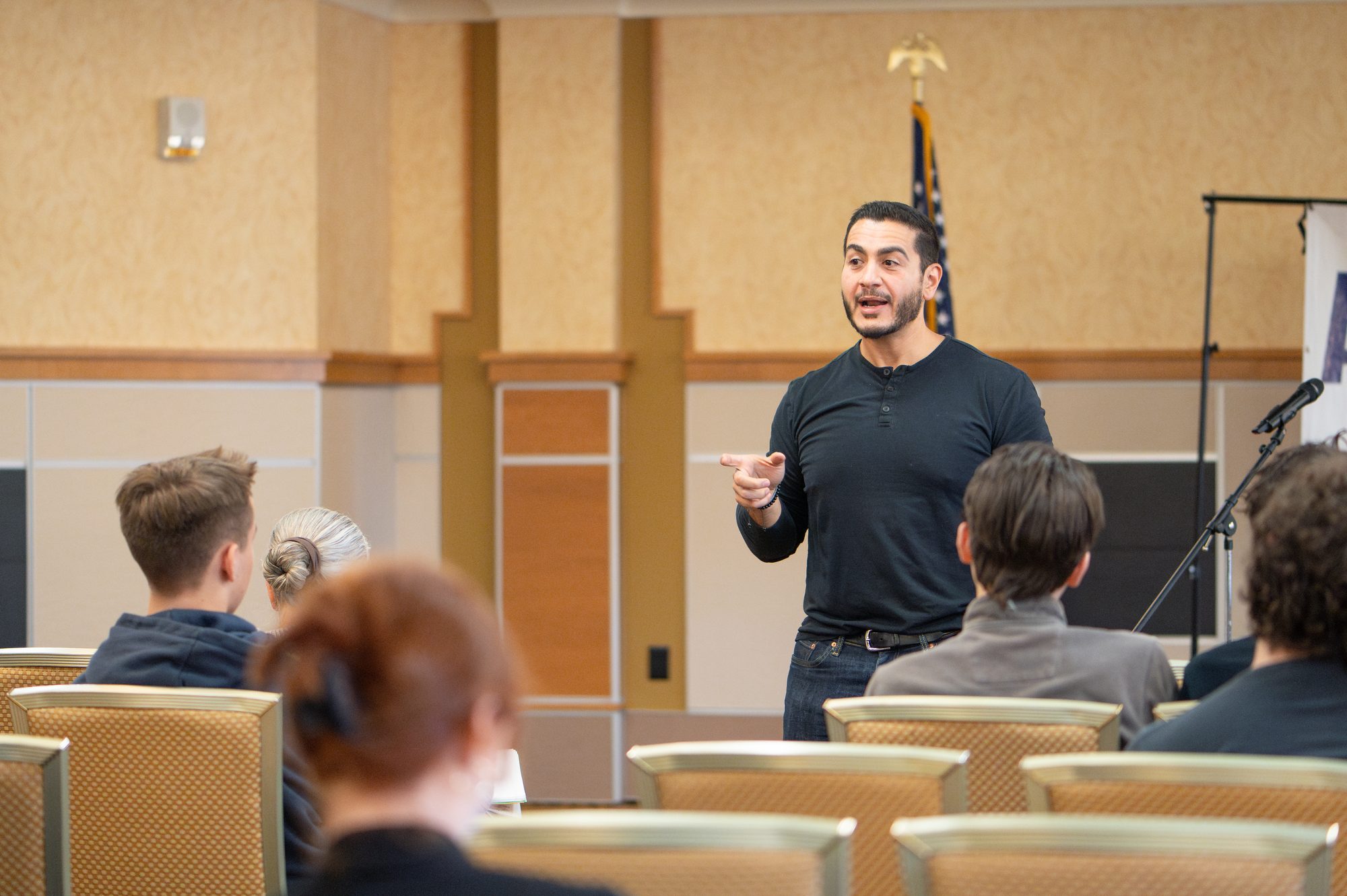
Researcher Jim Paquette will present his investigation into the 1926 Barnes-Hecker Mine disaster at the Marquette Regional History Center on Wednesday, Oct. 21.
The program, "Uncovering the Truths About the Barnes-Hecker Mine Disaster," begins at 6:30 p.m. at the center, 145 W. Spring St. in Marquette. A $5 suggested donation is requested, according to the history center’s calendar.
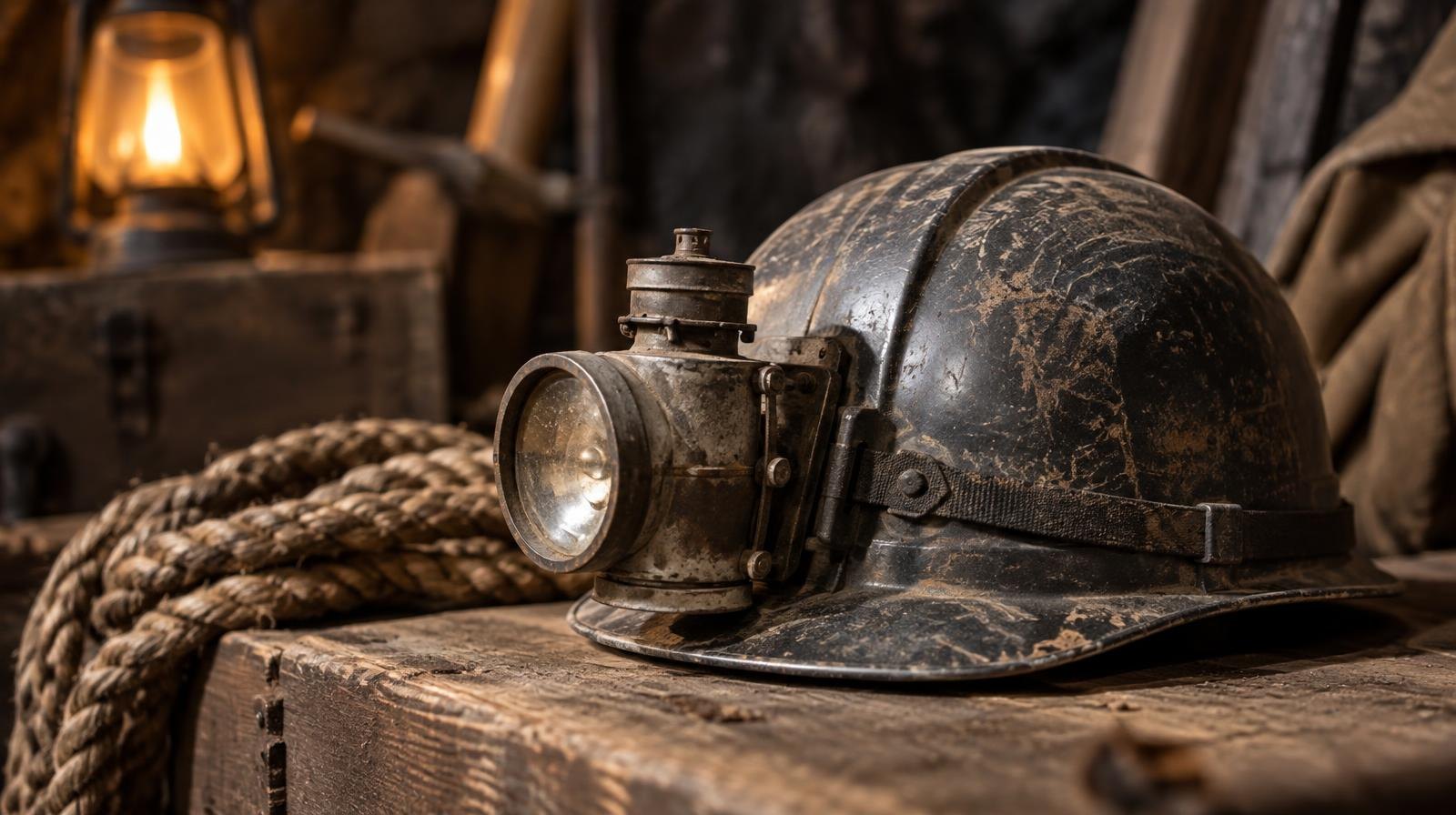
The presentation comes less than two weeks before the centennial of the Nov. 3, 1926, cave-in that killed 51 men at the Cleveland-Cliffs iron ore mine near Ishpeming. It remains the deadliest mining disaster in Michigan history.
Paquette, a lifelong Negaunee resident and mining historian who received Northern Michigan University's 2022 Alumni Achievement Award, has spent years investigating the disaster. Organizers say his research has uncovered evidence that may shed new light on what happened at the mine, according to the history center.
The disaster struck at about 11:20 a.m. when a routine underground blast triggered a catastrophic chain reaction, cracking open the mine to waterlogged sand and gravel above. A torrent of mud and water flooded the shafts within 15 minutes, according to Paquette's account published in Michigan History magazine.
Only one man escaped from underground after the collapse began. Motorman Rutherford "Wilfred" Wills climbed ladders as floodwater surged behind him, collapsing from exhaustion when he reached the surface. The disaster killed 51 men, and 41 of their bodies were never recovered. The mine was abandoned.
The men left behind 41 widows, five of whom were pregnant, and 132 children, Paquette wrote.
Paquette wrote that Cleveland-Cliffs Iron Co. doubled weekly workers’ compensation payments and that company mining officials were not held responsible for the disaster. The company classified the deaths as a "trade risk" in its 1926 mining reports, stating the miners had assumed the risk of their jobs, Paquette wrote. According to his account, investigations by the state geologist and county coroner’s office found no negligence by the company.
Annie Tippett, a descendant whose grandfather Walter was killed on his first day at the mine, spoke about her family's connection in a September interview with My UP Now. "Two of them died, one of which was my grandpa, and one of them was the sole survivor of the disaster," Tippett said.
Tippett was scheduled to give her own presentation on her family's story Oct. 4 at Ishpeming High School, one of several centennial events across the region.
Other commemorations include:
- The Beaumier U.P. Heritage Center is presenting an exhibit about the disaster at 223 Harden Hall. Admission is free; visitors can check the center’s website for current exhibit information.
- A presentation by Zach Lanciani on "Philo P. Chase and the Barnes-Hecker Mine" at 7 p.m. Thursday, Oct. 29, at the NMU Archives, 228 Harden Hall, according to NMU’s event listing.
- An ecumenical memorial service at 2 p.m. Sunday, Nov. 1, at Bethany Lutheran Church, 715 Mather Ave. in Ishpeming.
- A candlelight vigil with bagpipers at 7 p.m. Monday, Nov. 2, at the mine site in Ely Township.
- Church bells throughout Ishpeming will toll 51 times at 11:20 a.m. Tuesday, Nov. 3, marking the time of the collapse.
- A televised special on My UP Now (WBUP/WJMN) at 7:30 p.m. Tuesday, Nov. 3.
The service, vigil, bell tribute and broadcast appear in a published centennial schedule.
For more information, contact the Marquette Regional History Center at 906-226-3571 or visit marquettehistory.org.