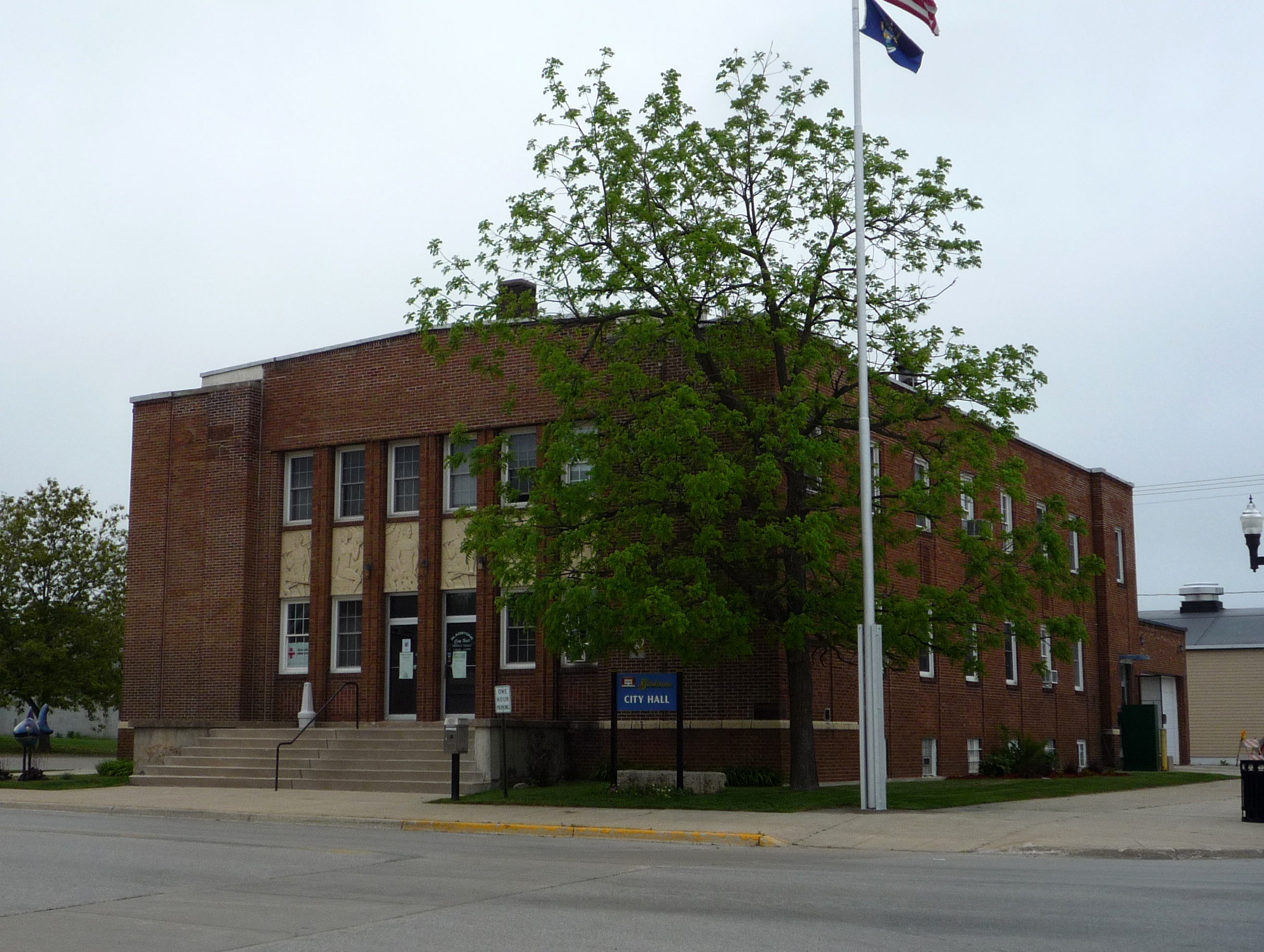
Three measles cases have been confirmed in Delta County, marking the Upper Peninsula’s first confirmed cases of 2026, Public Health, Delta & Menominee Counties announced Wednesday, Oct. 21.
The health department said they were the first confirmed cases in its two-county jurisdiction since 1989, according to WLUC’s report.
PHDM is working with the Michigan Department of Health and Human Services to investigate and notify people who may have been exposed.
“Measles is very contagious and spreads easily through the air,” PHDM Health Officer Dayna Kapp said in the announcement quoted by WLUC. “Anyone not vaccinated is at higher risk of becoming ill if exposed.”
In its Oct. 21 announcement, the department said potential public exposure sites were being evaluated and that identified locations would be shared.
What residents should know
Measles spreads through the air. Up to nine in 10 people without protection may become infected after close contact with someone who has the disease.
Symptoms generally begin seven to 14 days after exposure, although they can take up to 21 days. They include fever, cough, a runny nose and red, watery eyes. White spots may appear inside the mouth, followed by a rash beginning on the face and spreading downward.
CDC says approximately one in five unvaccinated people in the U.S. who get measles are hospitalized, according to its complications guidance.
Anyone who suspects exposure or develops symptoms should call a health care provider promptly. Call before entering a clinic or hospital so staff can take precautions against transmission.
Vaccination and care after exposure
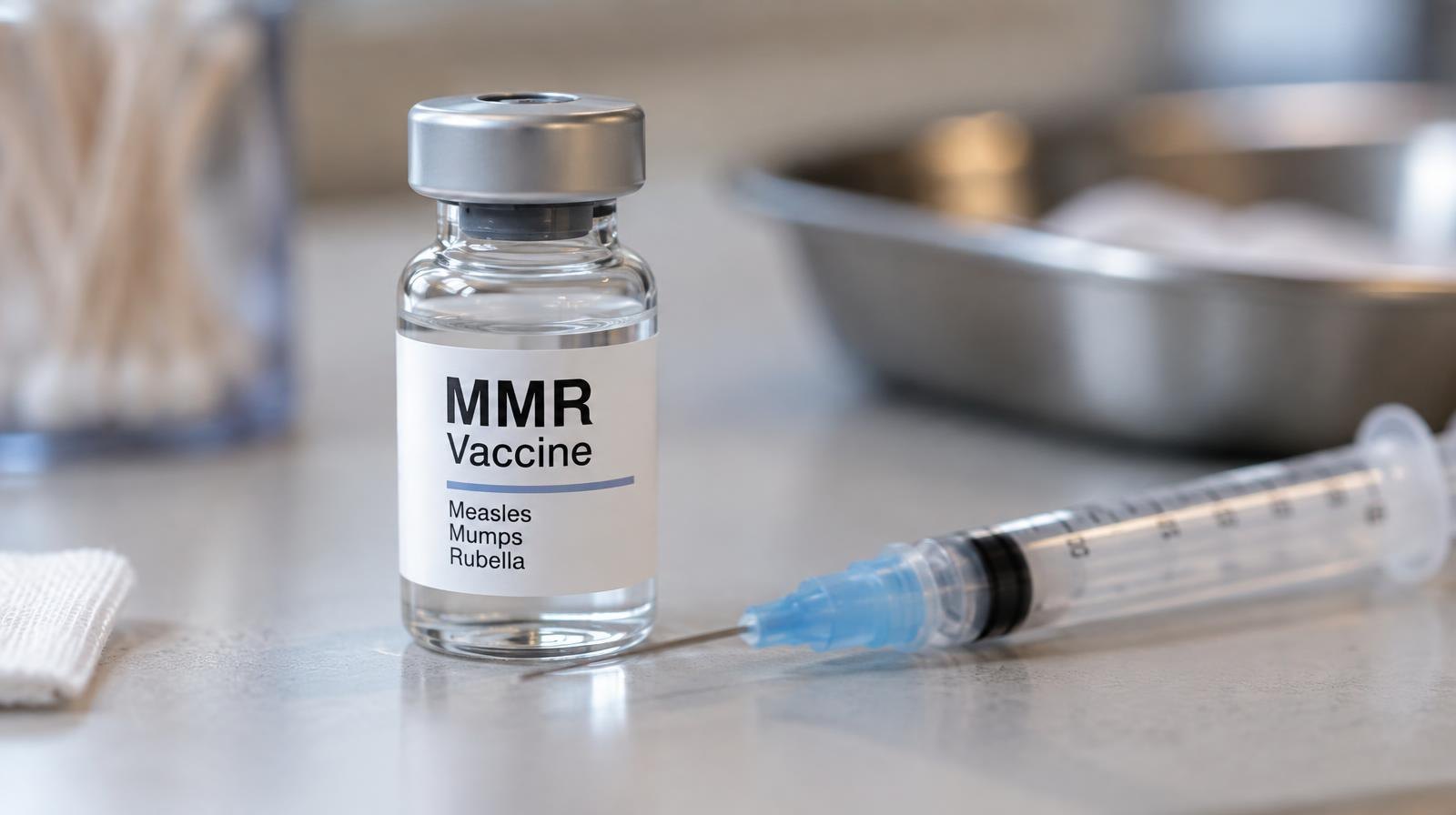
The measles, mumps and rubella vaccine is about 93% effective against measles after one dose and 97% after two, according to CDC recommendations.
Most adults need one documented dose or other acceptable evidence of immunity. Children routinely need two doses, and some adults at higher risk also need two. Laboratory evidence of immunity, laboratory-confirmed past infection or birth before 1957 can provide other evidence of protection.
MMR given within 72 hours of exposure may prevent illness or reduce its severity. Eligible people may instead receive immune globulin within six days. A health care provider or health department should determine the appropriate option.
MMR is generally not given during pregnancy or to people with severe immunocompromise. Infants ages 6–11 months may receive an early dose in certain circumstances, including when public health officials recommend it because of exposure risk, according to CDC guidance.
Residents can contact PHDM’s Delta County office at 906-786-4111 with questions about vaccination and local services.
Broader context
CDC reported 4,410 confirmed U.S. measles cases as of Oct. 15.
Michigan recorded 30 confirmed cases across 10 counties in 2025, according to MDHHS. Marquette County announced a case in May 2025.
Residents can check PHDM’s measles information and MDHHS for further updates.