Nearly $100,000 in opioid settlement money has already reached Escanaba-area schools, courts and recovery programs, with millions more expected to flow through Delta County over the next 14 years.
The Delta County Opioid Taskforce, formed in 2024 by the county Board of Commissioners, oversees roughly $1.6 million in settlement dollars the county has received from a national lawsuit against drug manufacturers, distributors and pharmacies. The task force has been awarding grants to local organizations for two years, according to WLUC-TV6.
Task force chair Steven Howes said Aug. 7 that the grants target the substance abuse crisis broadly, not opioids alone.
"The purpose of this is to provide meaningful, impactful programs so we can somehow battle this opioid crisis, substance abuse crisis, anything that may cause this," Howes said. "For example, Escanaba Schools last year got $30,000 for vaping detection devices. Not only is there tobacco in these vapes, but they find marijuana."
Where the money has gone
Four organizations have received grants so far:
- Escanaba Area Public Schools: $30,000 for vaping detection devices that identify both tobacco and marijuana
- 94th District Court: $30,000. The court operates a Sobriety Court for drug- and alcohol-related offenses, though the specific use of the grant has not been disclosed.
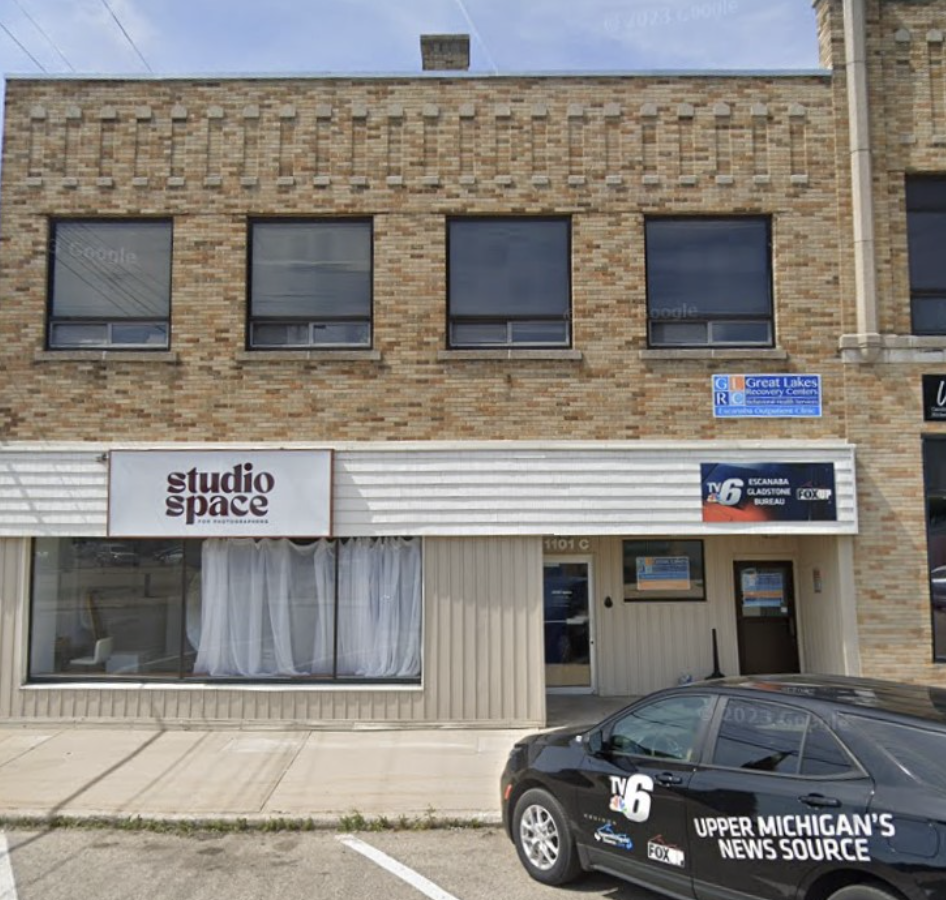
- Great Lakes Recovery Centers: $29,975. The nonprofit runs an outpatient clinic and a recovery residence in Escanaba.
- Escanaba Success Center: more than $8,000. The alternative school serves grades 8–12 with about 104 students.
Delta County Commissioner Kelli van Ginhoven, who sits on the task force, said the group developed both a larger grant program and a smaller one, funding courts, law enforcement and community organizations.
Mini-grants still available
The task force offers two tiers: larger settlement grants and mini-grants of up to $3,000 for eligible local organizations. Funding is expected to continue in 2027, and settlement dollars are slated to keep arriving through 2040. No application deadline has been publicly announced; interested organizations can contact Delta County for details.
Statewide context
Michigan stands to receive at least $1.6 billion over 18 years from the national opioid settlements. Funds began reaching local governments in January 2023, but as of a spring 2025 survey by the Michigan Association of Counties, 40% of responding counties had not spent any of their allocation. Delta County's active distribution puts it ahead of some Upper Peninsula neighbors; Schoolcraft County was still forming a spending committee as of April 2026, according to Interlochen Public Radio.
State overdose deaths fell by roughly a third in 2024, dropping to 1,938 from nearly 3,000 the year before.