Ishpeming secured a $155,000 state grant to test its water system for PFAS after "forever chemicals" were detected at the city's treatment plant.
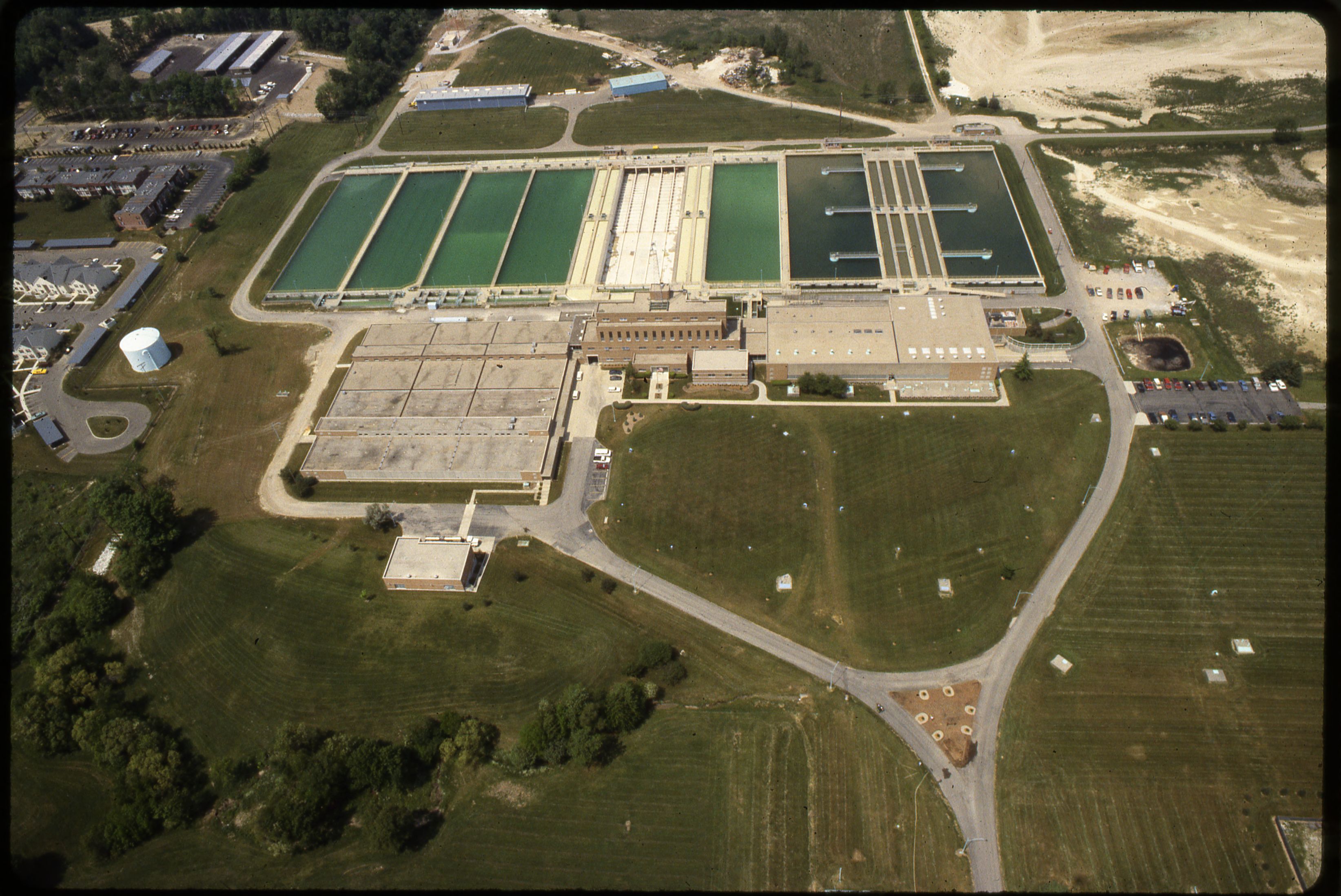
City Manager Randy Scholz said the chemicals showed up during testing at the plant, but no one knows where they came from. Scholz told WLUC-TV6 the city is not aware of any PFAS hotspots within the water system being investigated and has received no complaints from residents about water quality.
"The treatment plant popped for some of them but we have no idea where they came from … that's something we're looking into," Scholz said.
The grant comes from the Michigan Department of Environment, Great Lakes and Energy (EGLE). U.P. Engineers and Architects, a Sault Ste. Marie-based engineering firm, will administer the grant and conduct the testing. Work is scheduled to wrap up by June 2028.
Scholz described the effort as proactive. Testing has not yet shown contamination in the groundwater, he said. The goal is to identify any problem areas and, if PFAS are found in the system, develop a plan to treat or remove them.
PFAS, short for per- and polyfluoroalkyl substances, are synthetic chemicals used in products such as non-stick cookware and firefighting foams. They break down extremely slowly in the environment, earning them the nickname "forever chemicals."
The grant arrives as Michigan ramps up its response to PFAS statewide. As of July 2026, the state's PFAS Action Response Team (MPART) had identified 350 sites across Michigan where groundwater exceeds state criteria for one or more PFAS compounds, according to EGLE.
In January 2026, EGLE awarded $9 million in PFAS response grants to 19 municipal airports to address contamination tied to firefighting foam. Gov. Gretchen Whitmer proclaimed Michigan's first PFAS Awareness Week, observed Sept. 21-25.
The specific PFAS compounds detected at Ishpeming's treatment plant and the levels at which they were found have not been publicly disclosed. It is also unclear whether the detection has been reported to MPART.
Testing results are expected by June 2028.