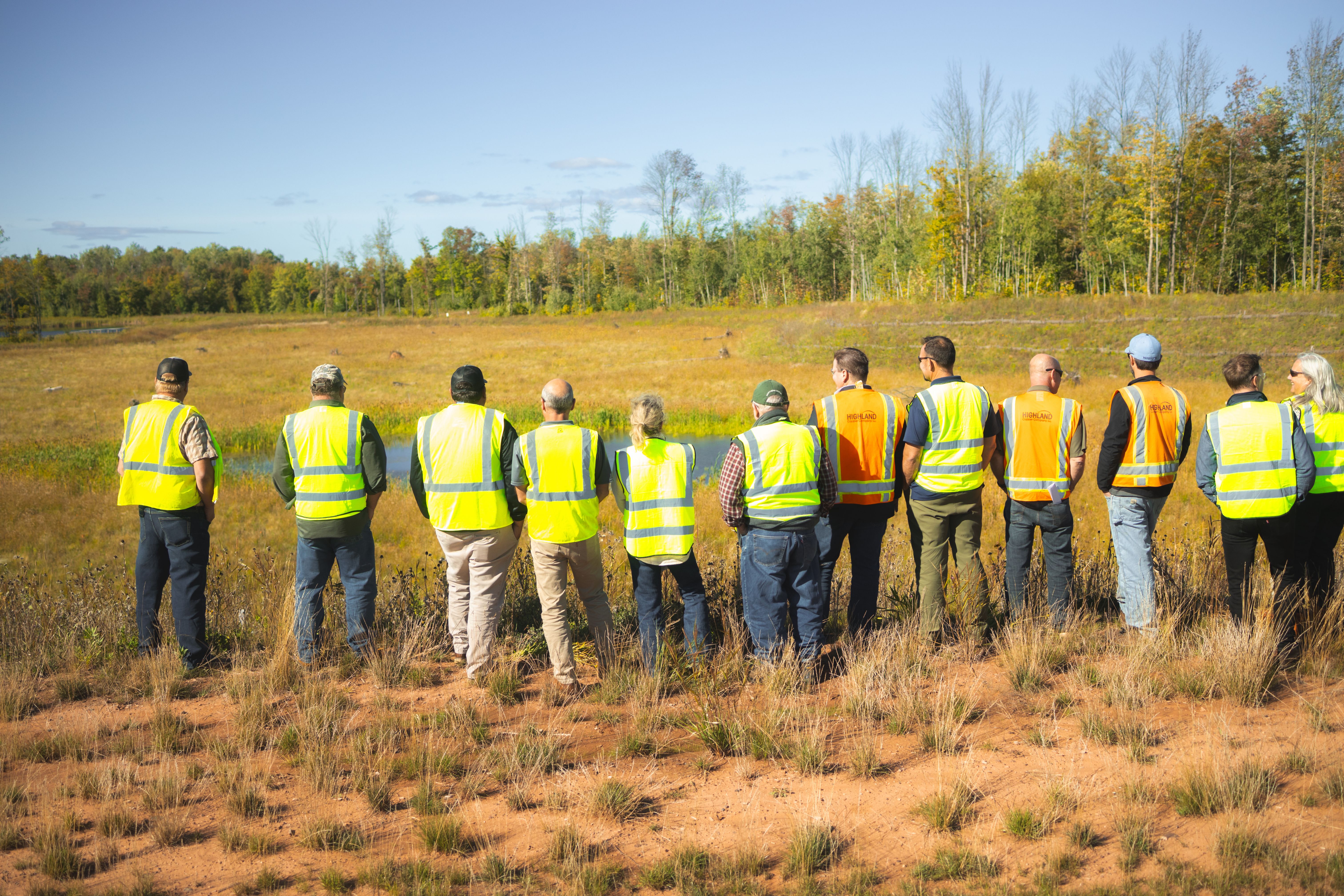
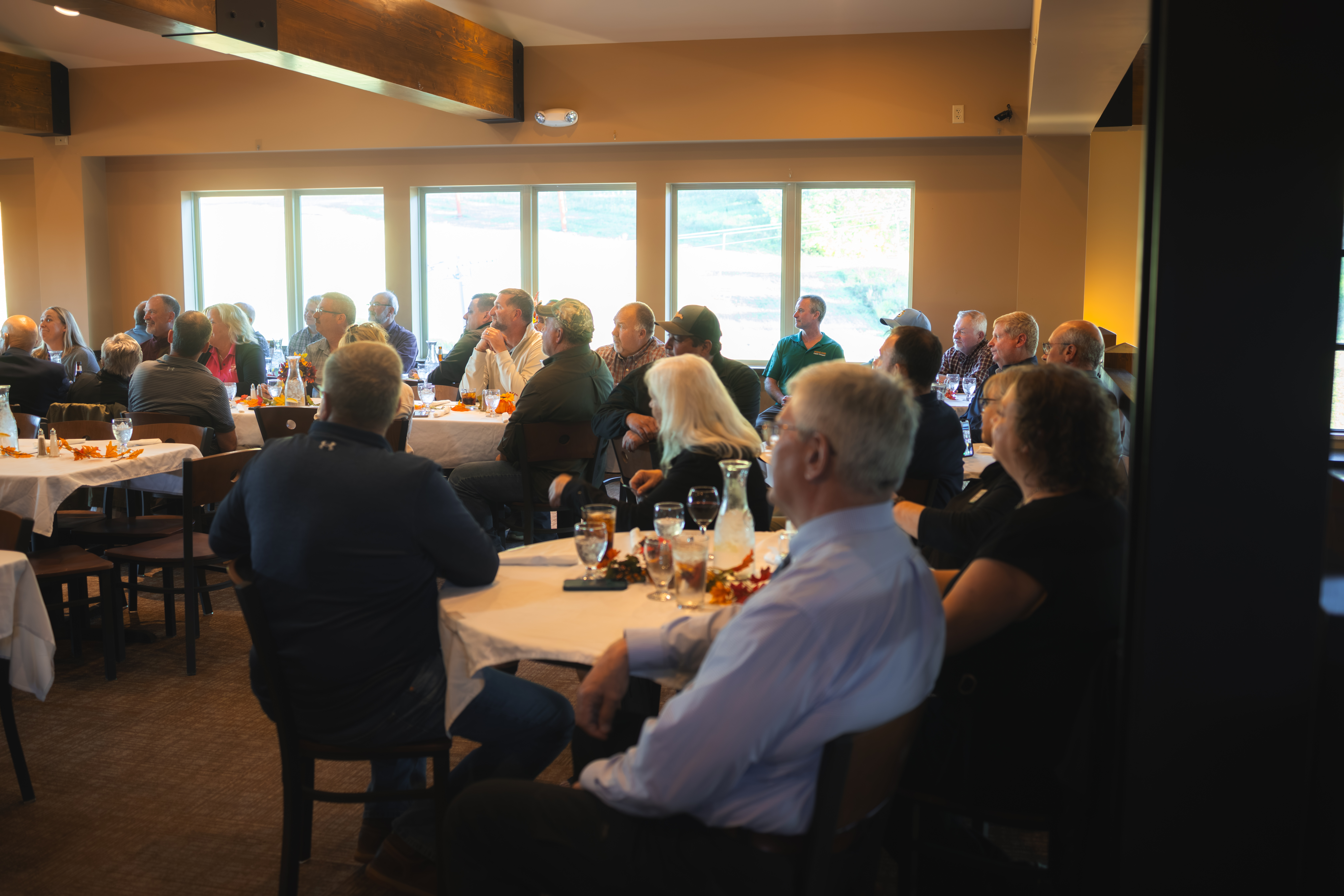
Gogebic County leaders, business owners and residents gathered at Big Powderhorn Mountain Resort on Tuesday, Sept. 15, to celebrate $50 million in state grants that Ironwood Mayor Kim Corcoran called a "lifeline" for Michigan's western Upper Peninsula.
The Michigan Strategic Fund Board approved two Strategic Site Readiness Program grants on Aug. 25: $44,971,691 to Copperwood Resources Inc. and $5,028,309 to the Gogebic County Road Commission for roads, energy and telecommunications infrastructure tied to the proposed Copperwood copper mine.
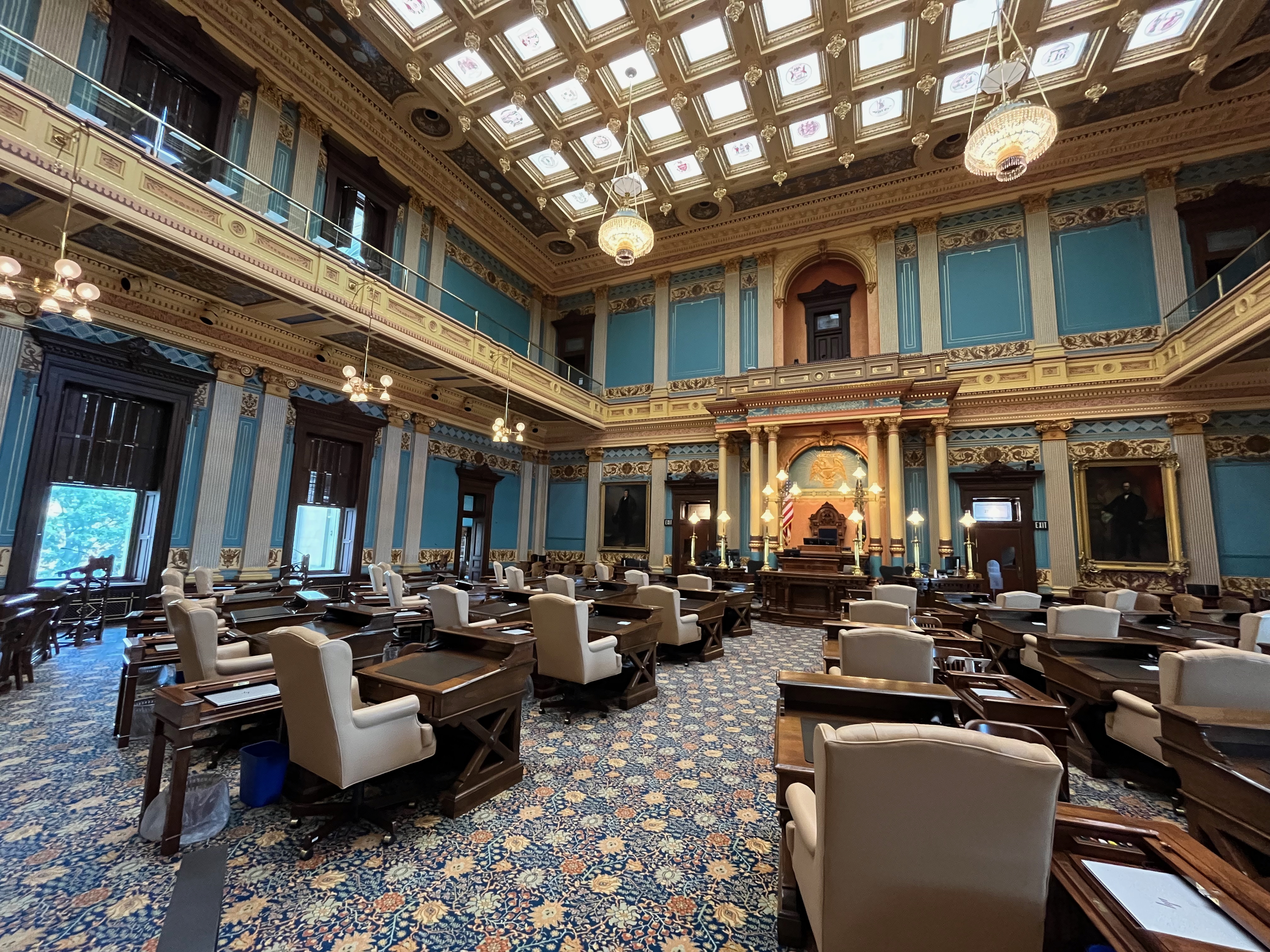
The fund voted 7-2 to approve the Highland Copper grant and unanimously to award the Road Commission portion, MLive reported.
A community turns out
The Tuesday evening event drew remarks from Corcoran, Gogebic Community College Interim President Richard Shrubb, Gogebic County Road Commission Manager Garth Stengard, InvestUP CEO Marty Fittante, Michigan Economic Development Corporation representative Vicki Schwab, Highland Copper CEO Barry O'Shea and Site Manager Mike Foley, state Sen. Ed McBroom, Rep. Dave Prestin and Rep. Greg Markkanen, according to InvestUP.
Corcoran said Ironwood has experienced significant loss and that she sees Copperwood as a chance to rebuild. Shrubb tied the region's struggles directly to wages.
"These are jobs that start at 80K," Shrubb said. "They are enough money that people can have a house, have a baby, buy a car and get married."
The college's enrollment has dropped with each of the region's mine closings over the past several decades, Shrubb said. Gogebic County's unemployment rate stood at 6.8% in August 2025, well above Michigan's statewide rate of 5.3% in the same period, according to the Lansing Letter.
Prestin said the grant is performance-based, with no large upfront payments and no open-ended commitments to taxpayers.
Road upgrades reach beyond the mine
The Road Commission's $5 million grant is paired with a $7,542,463 Michigan Department of Transportation award, putting roughly $12.57 million into reconstructing the 12.8-mile County Road 519. The road rates a 2 out of 10 on the PASER condition scale, according to InvestUP.
Upgrades would widen travel lanes and shoulders and improve snow and ice removal. The route serves forestry and lumber operations and connects to the Wakefield Industrial Park, meaning the improvements would benefit the region whether or not the mine opens.
What the project promises
The $425 million Copperwood Mine is expected to create 380 jobs paying between $80,000 and $120,000, about twice the median regional wage of $41,000, according to MLive. Over an 11-year lifespan, the mine is expected to generate $121 million in state and local tax revenue.
If opened, Copperwood would be the first copper-focused mine in the U.P. since the White Pine Mine closed in 1997.
More than 130 community leaders, business owners and residents have joined the Our U.P., Our Future coalition, launched in August 2026 to support job creation while protecting natural resources, Upper Michigan's Source reported. Twenty-two units of government have passed resolutions of support, and statewide EPIC-MRA polling released in August found 71% of Michigan voters support the project.
There is some opposition. Protect the Porkies, backed by local residents, tribes and environmental groups, filed a claim of appeal in Ingham County Circuit Court on Sept. 14 challenging the fund board's Aug. 25 vote, Bridge Michigan reported. The group argues the funding sidestepped legislative review and that public comment was delayed until after the board's vote. The Michigan Attorney General's office has also been asked to review the funding, according to Bridge Michigan. The group said additional litigation is expected.
The grant is conditional on Highland Copper demonstrating by March 31, 2028, that it has secured $150 million in additional financing, according to Mining Technology. Construction is expected to begin in 2028, with commercial production anticipated in 2030.