Gogebic County is set to receive $50 million in state infrastructure funding for roads, power lines and broadband after the Michigan Strategic Fund approved the grants on Aug. 25.
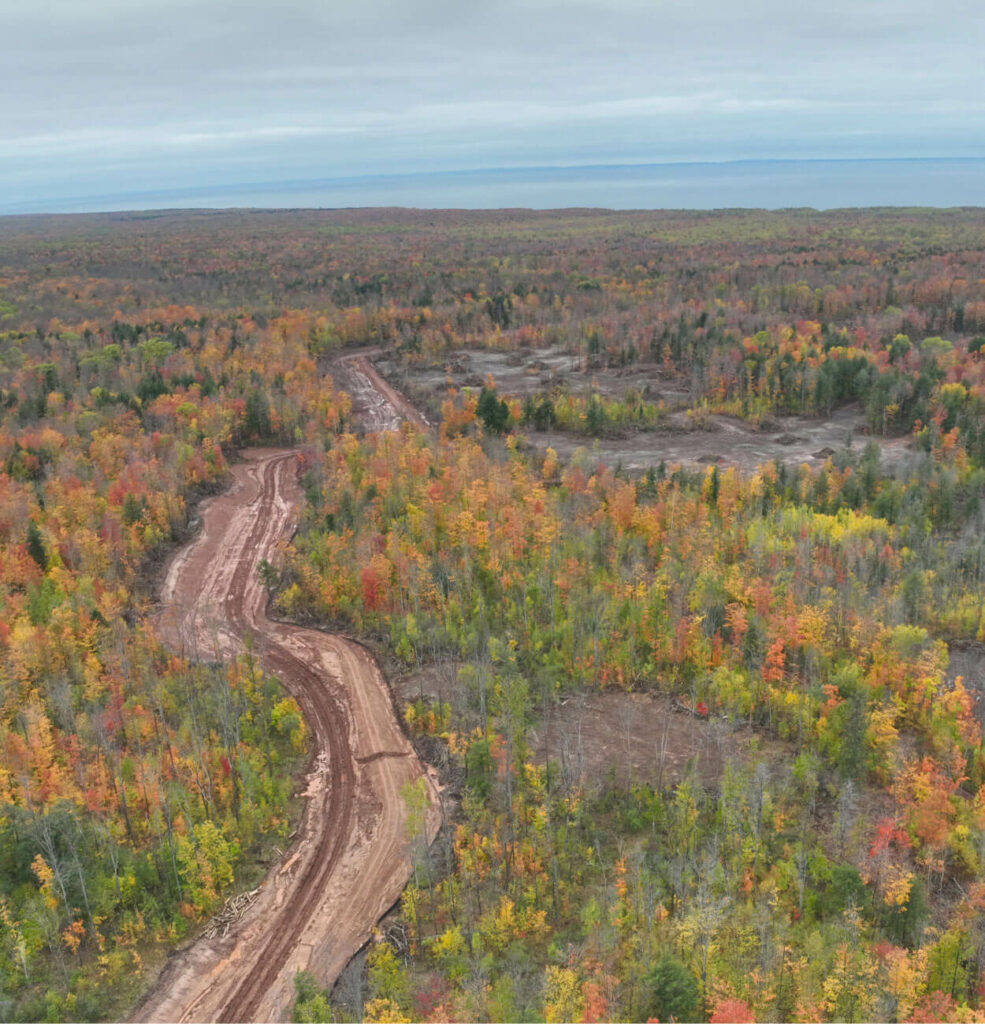
The money is tied to Highland Copper's proposed Copperwood Mine, an underground copper operation north of Wakefield. But supporters say the improvements will serve the broader region long after the mine's projected 11-year lifespan.
"This is largely public infrastructure that not only will benefit the Highland Copper project, the Copperwood, but industry in general," InvestUP CEO Marty Fittante told TV6 on Aug. 25.
What the money builds
The Strategic Site Readiness Program award splits two ways, according to Highland Copper's announcement. Copperwood Resources Inc., a Highland Copper subsidiary, receives $44,971,691 for eligible infrastructure work including power and communications upgrades. The Gogebic County Road Commission receives $5,028,309 for local road improvements.
The Road Commission has also secured a separate $7,542,463 Transportation Economic Development Fund grant from the Michigan Department of Transportation. Combined, the two grants put roughly $12.5 million toward rebuilding County Road 519 for better safety, reliability and access.
Supporters have argued that a rebuilt County Road 519 would also improve access to Porcupine Mountains Wilderness State Park and nearby industrial parks, MLive reported. Enhanced broadband and cellular service funded through the grant could improve emergency response across the area.
Garth Stengard, manager of the Gogebic County Road Commission, told the MSF board that "Gogebic County supports the Copperwood project and recognizes the economic importance to the area that is in dire need of a boost."
No money up front
The grant does not arrive as a lump sum. It is a performance-based reimbursement, and Highland Copper must clear two major hurdles before drawing on it.
First, the company must show the Michigan Economic Development Corporation (MEDC) by March 31, 2028, that it has secured $150 million in additional project financing. Only after meeting that milestone can Copperwood seek reimbursement for qualifying expenses made before March 31, 2033. The grant also requires the company to create at least 380 jobs at the mine site.
Highland Copper received a non-binding letter of interest from the Export-Import Bank of the United States in September 2025 for up to $250 million in potential debt financing under EXIM's Make More in America Initiative. That letter does not represent a financing commitment.
A contested vote
The Aug. 25 approval wasn't unanimous. The board voted 7-2 on the Highland Copper portion, with members Susan Roath and Melissa Tellier dissenting, according to MLive; the road commission grant passed unanimously.
Nearly two hours of public comment ran overwhelmingly against the mine, citing a 469,000-signature petition, environmental concerns and tribal objections. Lauren Pomeroy told the board Michigan taxpayers shouldn't help a Canadian company mine near one of the state's most protected places. Protect the Porkies, which opposes the project, said in a statement that the vote bypassed public will.
Regional support and economic stakes
The project has drawn more than 22 formal resolutions of support from government agencies and 10 letters of support from local stakeholders, including Wakefield Township, Ironwood Township and Gogebic County.
State Sen. Ed McBroom, R-Waucedah Township, called the grants "a wonderful investment in communities and infrastructure that is long deserved and overdue." State Rep. Greg Markkanen, R-Hancock, said the investment "means renewed hope for Gogebic County and the Western U.P., for schools, families and local businesses."
Gogebic County has about 14,300 residents and a median household income of $52,732, according to census data. The MEDC projects the mine would create 380 permanent jobs paying $80,000 to $120,000 and generate $121 million in state and local tax revenue over 11 years.
Fittante said Copperwood is expected to complete its feasibility analysis in the first quarter of 2027, with a construction decision to follow. Highland Copper CEO Barry O'Shea told the MSF board the company is preparing for construction in 2028.