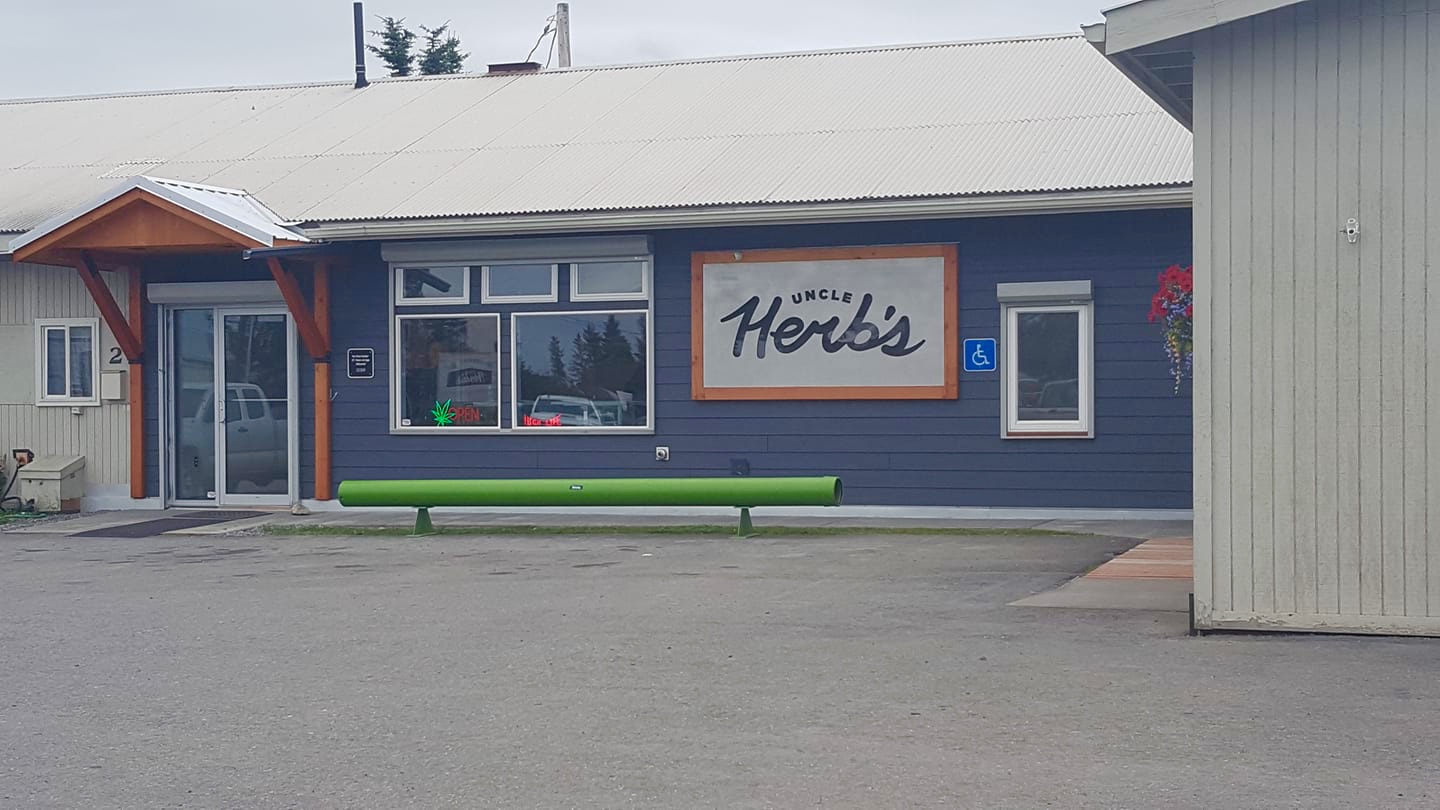
Five Upper Peninsula communities lost their local cannabis dispensary over the weekend after Higher Love Cannabis Co. announced Monday, Aug. 10, that it is suspending operations at more than half its locations.
Shops in Crystal Falls, Escanaba, Houghton, Munising and Ontonagon stopped taking orders Sunday, Aug. 9, with no reopening date announced. Higher Love's four remaining dispensaries in Ironwood, Marquette, Menominee and Norway will stay open.
The company pointed directly at Michigan's 24% wholesale marijuana tax, which took effect Jan. 1, as the breaking point. That levy is paid by growers when cannabis is first sold or transferred to a dispensary, and it comes on top of the 10% retail excise tax and 6% sales tax consumers already pay at checkout. Industry leaders say intense competition has kept the wholesale tax from reaching consumers so far, squeezing growers and processors instead.
Higher Love said in a press release that the combined burden has created an increasingly unsustainable operating environment, particularly for compliant businesses serving smaller and rural communities, according to WLUC. The company used the word "suspending" but offered no timeline for a return.
The closures fit a broader shakeout. Statewide recreational sales fell to about $1.48 billion in the first half of 2026, down from $1.57 billion during the same period in 2025, according to the Detroit Metro Times. The average price of an ounce of recreational flower dropped to $58.20 by December 2025, down from $69.20 a year earlier.
"There is a long list of companies that have gone out of business, and many cited the wholesale tax," Hirsh Jain, founder of Los Angeles-based cannabis consulting firm Ananda Strategy, told the Metro Times.
The wholesale tax was approved by Gov. Gretchen Whitmer and the Legislature as part of a road-funding package projected to generate $420 million annually. But the first $34 million collected in the opening quarter fell well short of that pace, MLive reported.
The Michigan Cannabis Industry Association is challenging the tax in two lawsuits, one before the state Court of Appeals and another in the Court of Claims. State Sen. Jonathan Lindsey, R-Coldwater, has also introduced legislation to repeal the levy.
Michigan Cannabis Industry Association director Robin Schneider told MLive in July that intense competition among dispensaries has kept retail prices essentially flat, meaning growers and processors are absorbing the tax rather than passing it to consumers.
Higher Love did not name a spokesperson or disclose how many employees are affected. The company said its four continuing locations will remain the foundation for its next chapter. Customers can check findhigherlove.com for hours and ordering updates.