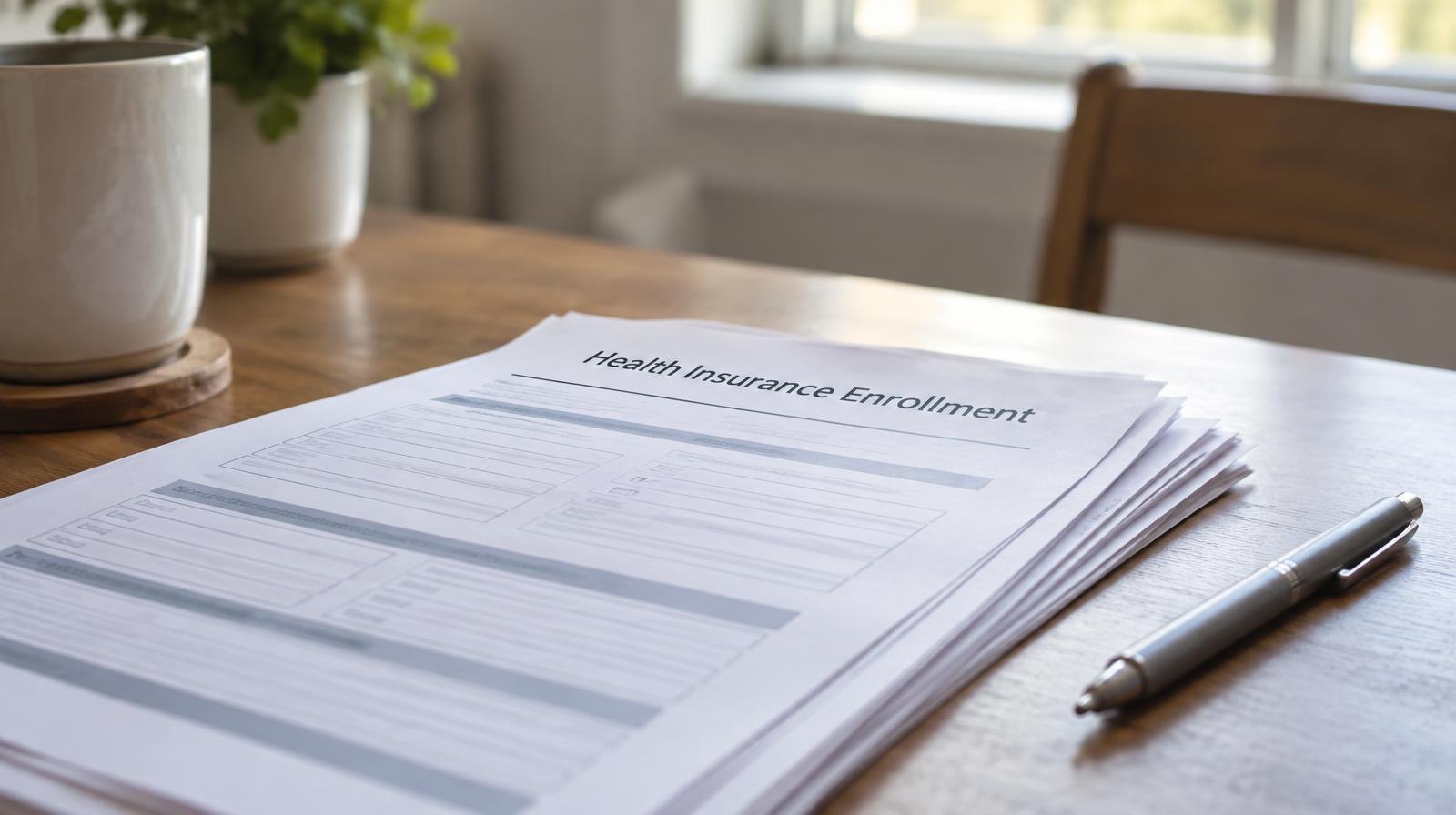
New federal work requirements will begin affecting some Healthy Michigan Plan enrollees starting Jan. 1, 2027. People who are not exempt will need to meet the requirement through work, education, community service or other qualifying activities to maintain coverage.
For people already enrolled, the Michigan Department of Health and Human Services says the requirement will be checked at renewals beginning March 1, 2027. Enrollees generally must meet it during at least one month between renewals rather than document 80 hours every month. MDHHS Healthy Michigan work requirements.
The requirements are part of the federal law known as H.R. 1, or the "One Big Beautiful Bill Act," and apply to adults ages 19 to 64 enrolled in the Healthy Michigan Plan, Michigan's Medicaid expansion program. Other Medicaid eligibility groups are not subject to the requirement.
The changes are relevant in the Upper Peninsula, which is home to several federally recognized tribal nations and many residents who already travel long distances for medical care.
Who is exempt
The list of exemptions is long. Enrollees do not have to meet the work requirement if they:
- Are pregnant or gave birth within the past 12 months
- Are a parent or caregiver of a child 13 or younger
- Care for someone with a disability
- Are American Indian or Alaska Native
- Were in foster care at 18 and are younger than 26
- Are a disabled veteran
- Are in a substance use disorder treatment program
- Have a physical, intellectual or developmental disability
- Have a mental health disorder or serious health condition requiring regular treatment
- Are experiencing temporary hardship, including living in a high-unemployment area
- Are already subject to work requirements for TANF or SNAP
- Are currently or recently incarcerated
MDHHS also lists people with complex health needs, sometimes referred to as medically frail, among those who may qualify for an exemption.
The American Indian or Alaska Native exemption is particularly relevant in the UP, home to tribes including the Sault Ste. Marie Tribe of Chippewa Indians.
Federal guidance also gives states options for determining when medical conditions make someone unable to meet the work requirements. The Centers for Medicare & Medicaid Services has outlined a three-tier example framework, but states are not required to use that specific model.
Michigan preparing for changes
Michigan lawmakers budgeted $54.3 million earlier in 2026 to prepare for the Medicaid overhaul. Bridge Michigan reported that the state has hired more than 400 people to help beneficiaries navigate the new requirements.
MDHHS also opened a grant opportunity with about $12.25 million available for nonprofits to establish a network of community navigators. The initial program is expected to run through Sept. 30, 2028.
The department plans to launch an online screening tool in October to help beneficiaries understand whether they must meet the work requirement or may qualify for an exemption. Most Healthy Michigan Plan beneficiaries will also have to renew their coverage every six months instead of annually.
What it means for the UP
Kim Vermeersch, a certified navigator at Scheurer Health in Michigan's Thumb, told Bridge Michigan that providers are still waiting for final federal guidance.
"We can't help (the patients) because we don't really know the details yet," Vermeersch said.
Dr. Brad Uren, an emergency physician from Hancock, warned in a Sept. 9 ACEP Now article that additional hospital or service-line closures could increase travel times for UP patients, particularly during severe winter weather.
Healthy Michigan Plan members with questions can check their MI Bridges account, contact their health plan or call the state's beneficiary help line at 1-800-642-3195.