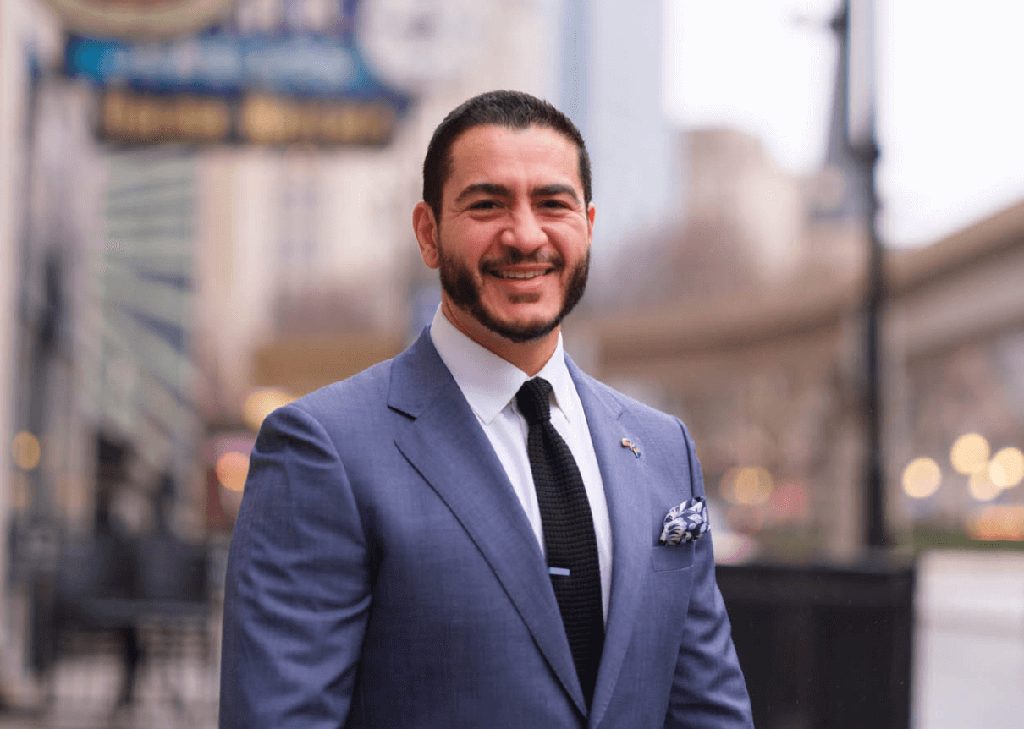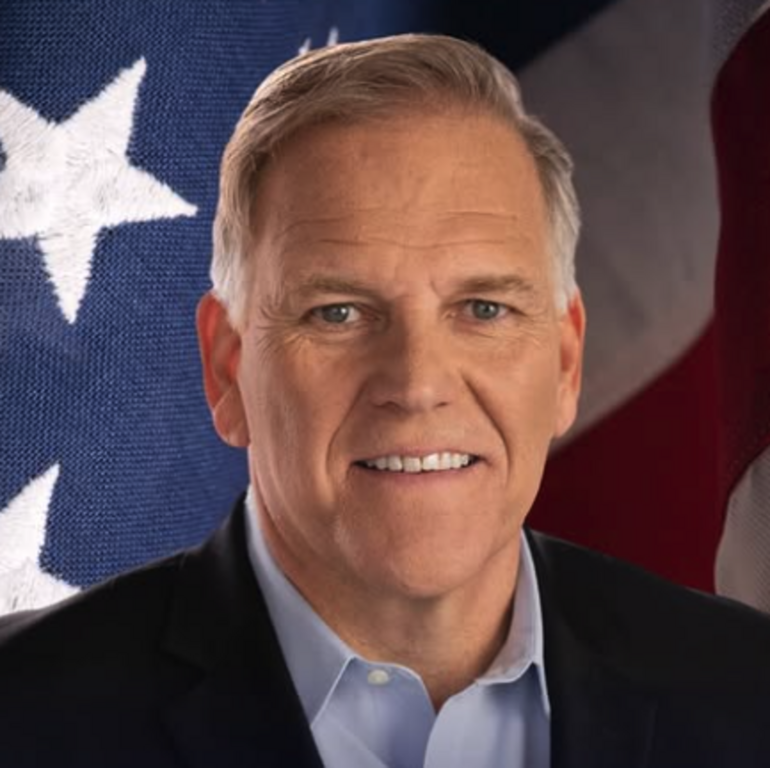
Republican Mike Rogers is running for U.S. Senate in Michigan’s Nov. 3, 2026, general election. He previously ran for the Senate in 2024 but lost to Democrat Elissa Slotkin.
The other candidates are Democrat Abdul El-Sayed, Green Party candidate Douglas P. Marsh, Libertarian Lydia Christensen, U.S. Taxpayers candidate Tim Long and Natural Law candidate Walter P. Kristy, according to Cass County’s candidate list.
Rogers responded to the Upper Peninsula News candidate questionnaire on Oct. 7. Unless otherwise noted, the information and responses below come from that questionnaire.
Asked why he is running, Rogers said he wants to address Michigan’s economic and education challenges.
“Michiganders need — and deserve — someone who will go to the Senate and work for them,” he said. “I have spent my career serving this country and fighting for Michiganders.”
Candidate information
Party: Republican.
Born: June 2, 1963, in Livingston County, according to his official congressional biography.
Education: Rogers said he graduated from Howell High School and Adrian College and participated in ROTC at the University of Michigan. His congressional biography confirms that he earned a bachelor’s degree from Adrian College in 1985.
Family: Rogers said he and his wife, Kristi, have a family tradition of public service. He has two children and said his son is the fourth generation of the family to serve in the military.
Family in politics: Rogers said his older brother, Bill Rogers, served in the Michigan House of Representatives.
Experience and public service
Rogers said he worked on a factory floor in Livingston County to help pay for college before serving as an Army officer and joining the FBI.
“As an FBI street agent, I exposed public corruption and brought gangsters to justice,” he said.
He served in the Michigan Senate from 1995 to 2000 and in the U.S. House from January 2001 to January 2015, according to his congressional biography. He chaired the House Intelligence Committee during the 112th and 113th Congresses, covering 2011–2015.
After leaving Congress, Rogers said he worked in cybersecurity in the private sector. He also served as a senior fellow at Harvard’s Belfer Center, according to a 2020 event announcement.
On the issues
Affordability and housing: Rogers identified lowering everyday costs as his leading priority.
“We have to make life more affordable for Michiganders, first and foremost,” he said.
His housing proposals include allowing families to use expanded 529 savings accounts toward down payments, helping renters build credit through rent payments, encouraging homebuilding and reducing regulations.
He also supports suspending state and federal fuel taxes. A U.S. senator could pursue federal tax changes; changes to Michigan’s taxes would require action at the state level.
Education: Rogers said he would push for Title I funding to support phonics-based reading instruction and intervention for struggling students. He also said he would work with Michigan legislators to restore the third-grade retention requirement associated with the state’s “Read by Grade Three” law.
These are proposals he described in his questionnaire; state education-law changes would require state action.
Health care: Rogers described accessibility, affordability and transparency as the three pillars of his health care plan.
“We will lower prescription drug prices, open the books to ensure you know the price you’re paying for a visit before you get the bill, and increase transparency to prevent drug companies from ripping you off,” he said.
He said he would challenge pharmaceutical companies, insurers and hospital monopolies over costs.
Federal spending and taxes: Rogers supports reducing spending he considers wasteful and lowering taxes for working families. He said Congress should use taxpayer money efficiently and transparently while reducing the national debt.
National security: Rogers said preventing Iran from obtaining a nuclear weapon is a priority. He also expressed support for bringing the conflict to an end.
“I think the best option now is to wind this down,” he said.
He cited concerns about farmers’ fuel costs during harvest season and called for suspending state and federal fuel taxes and imposing an embargo on diesel exports.
This profile draws primarily on Mike Rogers’ responses to the Upper Peninsula News candidate questionnaire, with additional information from county election records, his official congressional biography and Harvard’s Belfer Center. Responses have been excerpted and paraphrased; direct quotations retain his wording. Policy proposals and descriptions of his record are attributed to him.