Paul H. has hunted and fished around old mine sites in the western Upper Peninsula his whole life. He sees no reason a new copper mine would change that.
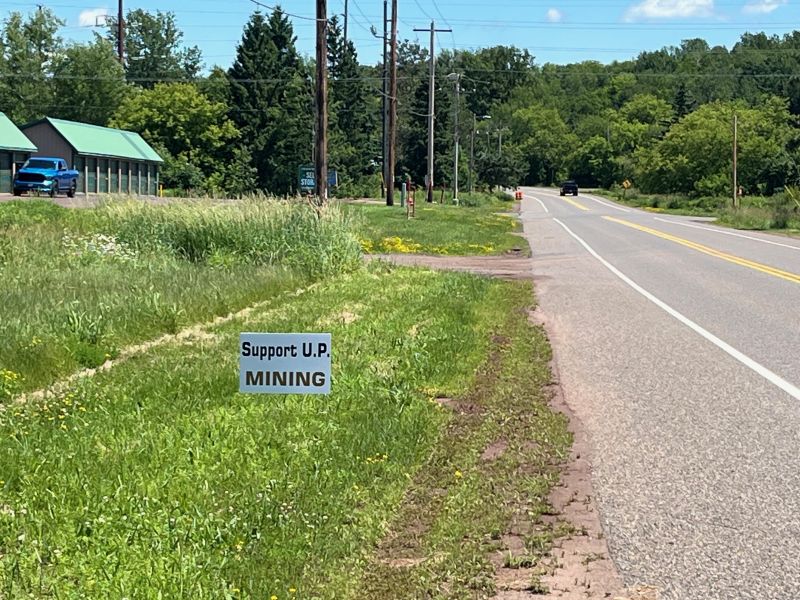
"I've hunted and fished in areas around mines my whole life, and I know mining, wildlife and recreation can coexist," Paul, a Wakefield resident whose grandfathers were both miners, said in a testimonial on the Copperwood project website. "This investment will not only bring more mining jobs to the UP, but residual jobs and employment for our kids."
Paul's view sits at the center of a debate that has divided the western U.P. for years. Highland Copper, a Toronto-based company, wants to build the Copperwood Mine in Wakefield and Ironwood townships in Gogebic County, near Porcupine Mountains Wilderness State Park. The underground copper mine would represent a $425 million investment and create an estimated 380 direct jobs, according to the company.
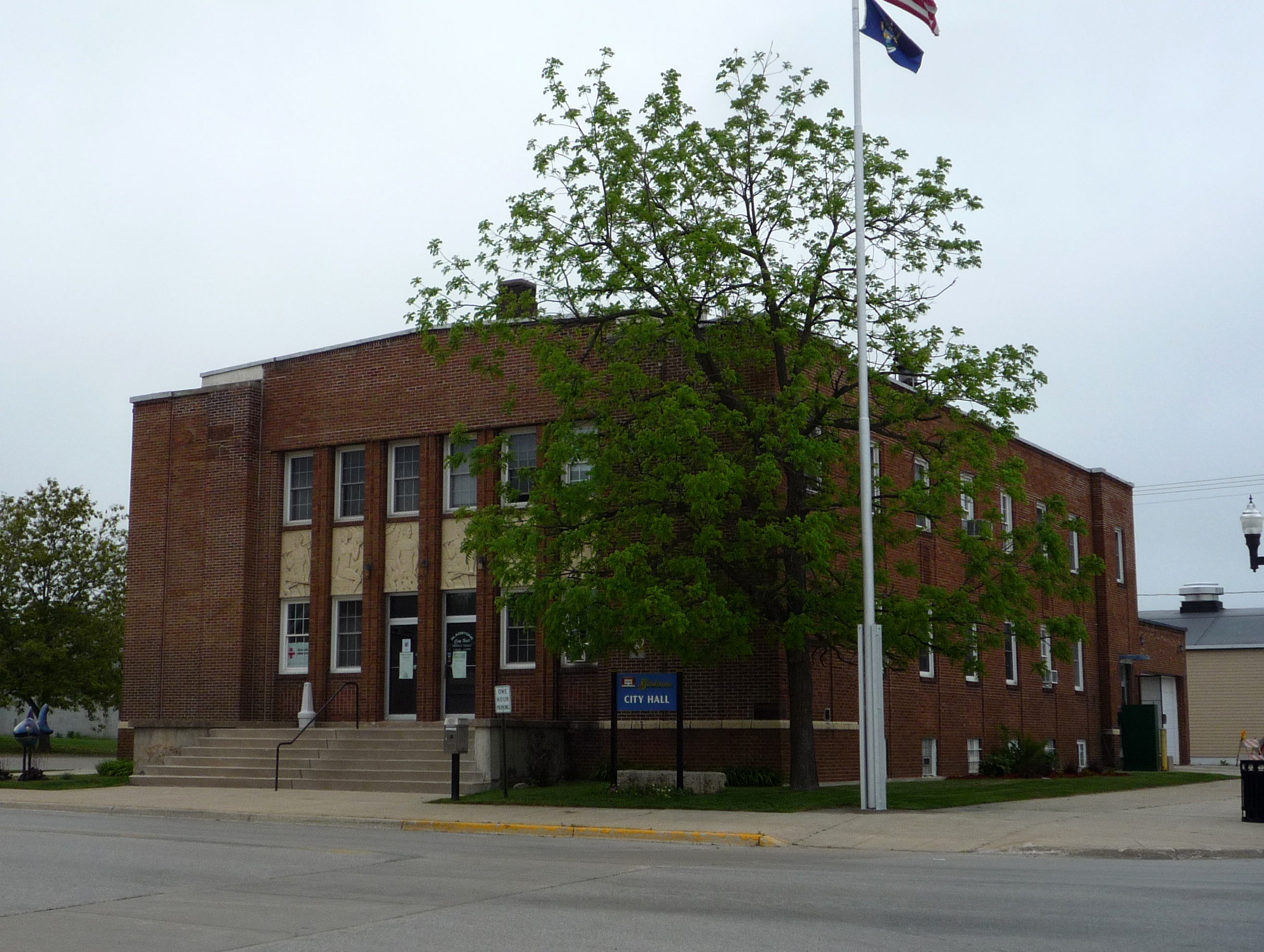
Twenty-two local units of government have passed resolutions supporting the project, according to the Copperwood project website. Dave Anderson, a lifelong Ontonagon resident, told the Michigan Strategic Fund board on Aug. 25 that he remembers the paper mill, the shipyard and the mines all running, according to MyUPNow. Anderson said his parents, in their 80s, still live in the area and have to travel two hours for medical care.
The region has lost major employers over the decades, including the White Pine Mine, the Ontonagon paper mill in 2010 and the Ojibway Correctional Facility in 2018, WZMQ reported.
The Strategic Fund voted 7-2 on Aug. 25 to approve $50 million in state infrastructure money for the project. About $44.9 million goes to Highland Copper for power, internet and communication lines. Another $5 million goes to the Gogebic County Road Commission for road repairs near the site.
Environmental groups are pushing back. Protect the Porkies, an opposition group, filed a lawsuit in Ingham County Circuit Court on Sept. 15 challenging the grant, according to MyUPNow. The group's executive director, Tom Grotewohl, called the repeated funding attempts a "grotesque attempt to steamroll over the clear will of the people," as reported by EUP News.
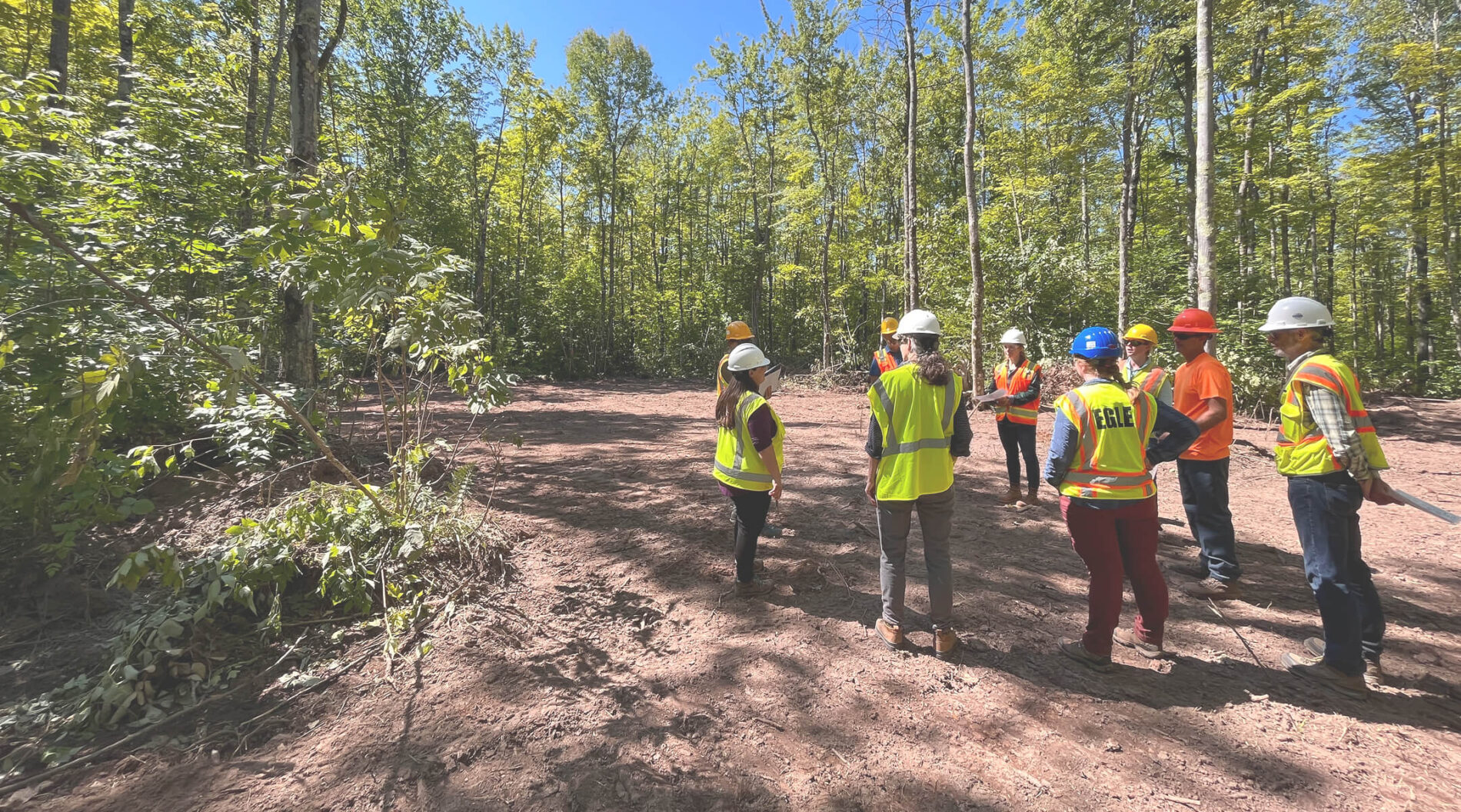
A separate fight centers on a wastewater discharge permit. The Michigan Department of Environment, Great Lakes and Energy, known as EGLE, is weighing whether to reissue a permit allowing Highland Copper to discharge up to 504,000 gallons per day of treated wastewater into the west branch of Namebinag Creek, a Lake Superior tributary, MLive reported. Opponents say the discharge threatens the redside dace, an endangered minnow documented in the creek system.
Highland Copper says the mine's ore body does not generate acid and that discharged water will be processed through a reverse osmosis treatment plant, according to the company's FAQ page. The company also says the mine will not draw water from Lake Superior and is not permitted to mine under Porcupine Mountains State Park.
A poll commissioned by regional business nonprofit InvestUP found 71% of Michigan voters supported the project, though that figure dropped to 61% after respondents considered environmental factors, MyUPNow reported. The survey question described the mine as creating "700 direct and indirect good-paying jobs while meeting all of Michigan's stringent environmental standards."
Highland Copper CEO Barry O'Shea said the company expects to begin construction in 2028, according to MyUPNow. WZMQ reported copper production could begin as early as 2030. The company must show $150 million in additional financing by spring 2028 as a condition of the state grant, EUP News reported.
The lawsuit challenging the $50 million grant remains pending.